
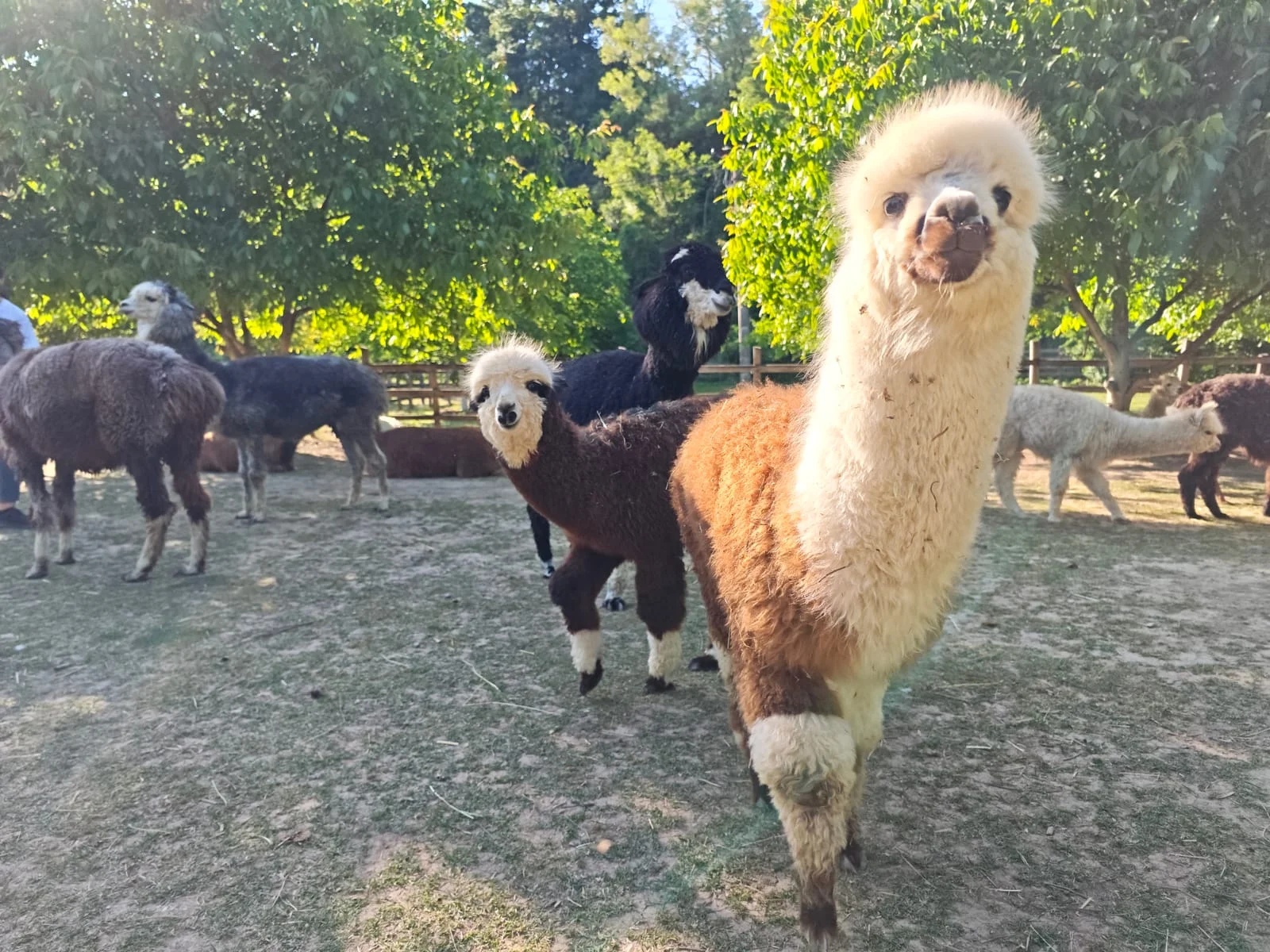
Alpacas and llamas have gone from curiosity to established smallholding livestock across Lancashire, Cheshire and the Wirral in little more than a decade, and alpaca fallen stock collection is now a regular part of our week rather than an occasional call. Many camelid keepers come to livestock from a companion animal background and are genuinely unaware that the same animal by-product law applies to a fifteen-year-old stud male as applies to a dairy cow. Martlands is a family-run, DEFRA approved business in Burscough providing licensed fallen stock and ABP collection across the region, and this article sets out exactly where camelids sit in the regulations.
The short answer is that alpacas are farmed livestock in the eyes of the law, not pets, and their deaths are handled accordingly. What follows explains what that means in practice.
Camelids Are Livestock, Not Companion Animals
This is the point that catches most new keepers. Alpacas and llamas are kept under a county parish holding number, are subject to livestock movement and holding register requirements, and fall within the animal by-products framework as farmed animals. A dead alpaca is fallen stock. It is not a deceased pet, and the disposal routes open to a dog or a cat are not open to it.
That has two consequences. On-farm burial and burning have been unlawful in the United Kingdom since 2003, so burying an animal in the paddock it grazed is an offence regardless of how strongly the owner feels about it. And under the Animal By-Products (Enforcement) (England) Regulations 2013 there is a duty of care to have the animal collected within twenty-four hours of discovery. Both duties sit with the keeper.
How Camelid Losses Are Categorised
Categorisation follows the species and the circumstances of the death rather than a single blanket rule. Camelids are not within the bovine and ovine TSE testing regime, so they do not attract the BSE sampling requirement that applies to fallen cattle over forty-eight months. Where an animal has been euthanised using a barbiturate agent, however, the residue in the carcass places it into Category 1 material and it must be routed accordingly, which is the same rule that applies to any species. Our note on animals euthanised with barbiturates explains why.
Martlands is licensed for all three categories, so the practical position for a keeper is that we determine the correct route at the point of booking. Tell us the species, the number of animals and whether the animal was euthanised by a vet and with what. Our Category 2 ABP collection and Category 1 ABP collection services operate under Animal By-Products Licence No APB/CCN21/373/8002, with Waste Carrier Licence CB/QE5406MT and Site Licence EAWML/100236.
Why Camelids Die and When
The autumn and early winter are a pressure point for camelids in the North West climate. Fibre is at its shortest after summer shearing, the animals are notoriously stoical about illness, and the parasite burden built up over a wet grazing season shows itself late. Haemonchus contortus produces sudden collapse in animals that appeared well the previous day. Liver fluke is a serious and under-recognised camelid problem on the same wet ground that troubles sheep. Mycoplasma haemolamae, clostridial disease and simple hypothermia in an animal with insufficient fleece and no shelter all contribute.
The behavioural point matters for keepers used to other species. A camelid that is visibly unwell is often very close to death, so the interval between concern and mortality can be a matter of hours. Small herds therefore lose animals with very little notice.
What a Small Keeper Needs to Have Ready
The information we need is straightforward. Your holding number, the location and how a vehicle reaches it, the species and number of animals, and whether the animal was euthanised. Bookings run through the KoLeCt system, which records the request against your holding and timestamps it, so the twenty-four hour duty can be evidenced afterwards.
Between discovery and collection the animal must be held where dogs, foxes, birds and other stock cannot reach it, and where fluids cannot run into a drain or a watercourse. On a small paddock holding this usually means moving the animal to a hard-standing area near the gate under a sheet, which is also the point a collection vehicle can reach without crossing soft ground.
The Documentation and Why It Matters Even for Two Animals
Every collection produces a Commercial Document recording the category of material, the species and number of animals, the date, the collecting vehicle and the receiving premises. Small keepers sometimes assume this is only relevant to commercial farms. It is not. It is the evidence that the animal left the holding through a licensed route, and it is what a local authority animal health officer or a trading standards visit will ask to see. Keep them with your holding register.
Camelid herds sold as breeding stock also benefit from a clean disposal record, because a buyer asking about herd health history is entitled to expect the mortality record to be complete and the disposals evidenced.
Coverage Across the Camelid Areas
Camelid holdings in our area cluster on the smallholding belt rather than the commercial farming ground, and we collect regularly across the Wirral fallen stock collection area, the Cheshire smallholdings reached through Congleton fallen stock collection, and the west Lancashire holdings around Skelmersdale fallen stock collection. Being close to the M58 and M6 means a herd of six animals in a paddock gets the same response as a commercial unit.
Arranging a Collection
To arrange collection, call 01704 776977 or use the contact us page. Our farm and fallen stock collection service handles single animals from smallholdings as readily as groups from commercial units, same-day collection is available, and as NFSCO members we can process collections through the national scheme where your holding is registered with it.
