
The farmland around Knutsford sits in the heart of the Cheshire plain, where dairy herds graze heavy, productive pasture between Tabley, Mobberley, Plumley and the Peovers. Knutsford fallen stock collection here is mostly about cattle, from dairy cows and youngstock to suckler herds, but the area’s estates and equestrian yards bring horses and sheep into […]
Housed Poultry Fallen Stock Collection Through the Avian Influenza Season
When the autumn migration brings wild waterfowl back to the estuaries and mosses of the North West, the risk of avian influenza rises and many flocks spend weeks or months indoors. Housed poultry fallen stock collection then becomes part of the daily routine on broiler, layer and free-range units, and it has to be handled […]
Wigan Fallen Stock Collection for Farms, Smallholdings and Livery Yards
Wigan fallen stock collection serves a borough where farming and town sit right next to each other. Cattle and sheep graze within sight of housing estates at Aspull and Winstanley, horses are kept in paddocks along almost every lane, and hobby keepers run pigs and poultry on smallholdings from Shevington Moor to the mosslands around […]
Autumn Calving Fallen Stock Collection – A Guide for Dairy and Suckler Herds
Autumn calving fallen stock collection is something every block-calving herd should plan for before the first cow calves, not after the first loss. Across the dairy country of Cheshire and Lancashire, and on suckler farms that calve in the autumn to sell heavier stores the following year, September to November concentrates a large share of […]
Penrith Fallen Stock Collection Across the Eden Valley and Surrounding Fells
Penrith fallen stock collection covers some of the most varied livestock country in the North West, from lowland suckler herds on the Eden Valley floor to hefted ewes on the commons above Ullswater and the high ground of Alston Moor. Martlands is a family-run, DEFRA approved collector based in Burscough, Lancashire, and our fallen stock […]
Fallen Stock Incinerator or Licensed Collection – What Farmers Should Weigh Up
A fallen stock incinerator can look like an appealing answer to the problem of dead animals on farm. Burn the carcass on site, avoid waiting for a lorry, and keep control of the whole process. For some units, particularly poultry and pig farms with steady daily mortality, an approved on-farm incinerator can be a legitimate […]
Chorley Fallen Stock Collection From the West Pennine Moors to the Croston Plain
Chorley fallen stock collection covers two very different kinds of farming. To the east, the borough climbs onto the edge of the West Pennine Moors at Rivington, Anglezarke and Heapey, where sheep graze the moor fringe above the reservoirs. To the west, the land drops to the flat, fertile ground around Eccleston, Croston and Mawdesley, […]
Tupping Season Fallen Stock Collection – Losing Rams and Ewes in the Autumn
Tupping season fallen stock collection is something most sheep farmers would rather not think about, but October and November bring a predictable rise in losses among rams and breeding ewes. Rams are working harder than at any other time of year, ewes are being gathered, flushed and handled, and the weather in the North West […]
Ormskirk Fallen Stock Collection From Your Neighbours in Burscough
Ormskirk fallen stock collection is about as local as it gets for Martlands. Our yard in Burscough sits a few miles up the A59 from Ormskirk town centre, so when a cow, ewe, pig or horse dies on a holding in Aughton, Halsall, Lathom, Westhead or Bickerstaffe, the vehicle that comes for it is setting […]
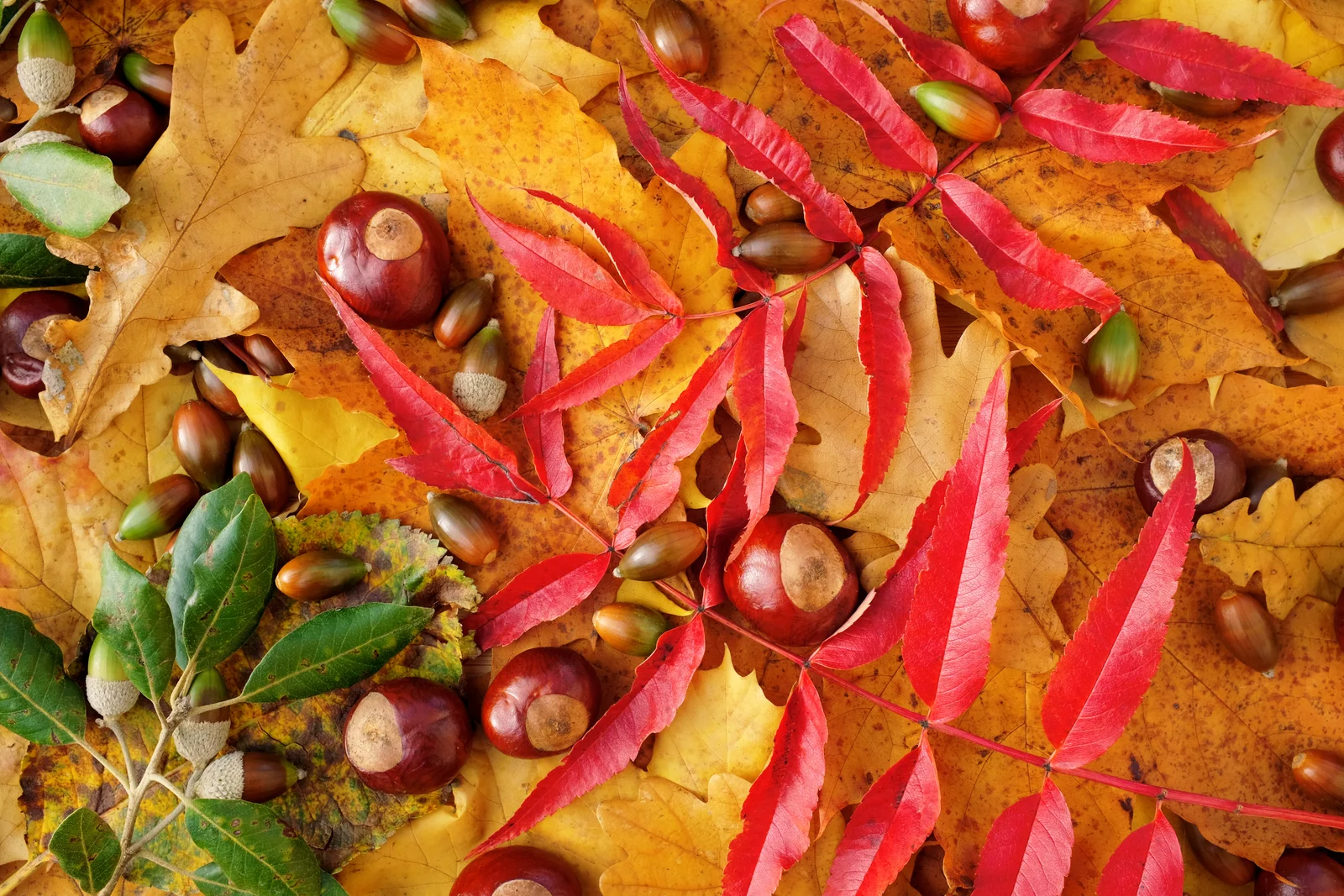
Autumn Poisoning Fallen Stock Collection After Acorn and Sycamore Losses
Every autumn a handful of North West farms lose animals to plants that were harmless three weeks earlier, and autumn poisoning fallen stock collection follows a seasonal calendar as reliable as any disease. Acorns drop in September and October, sycamore seeds fall through the same weeks, yew clippings appear on hedgerows after garden tidying, and […]