
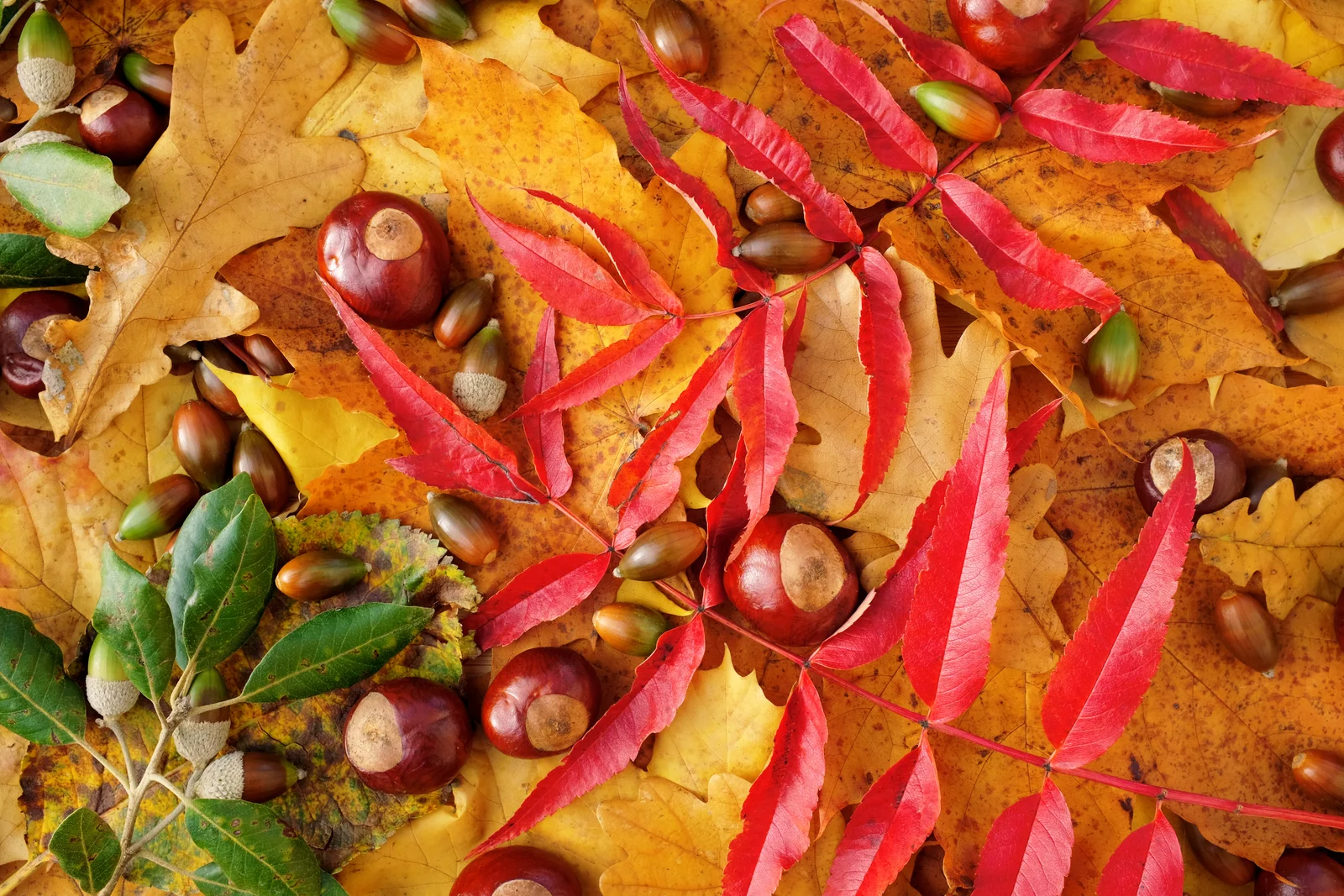
Every autumn a handful of North West farms lose animals to plants that were harmless three weeks earlier, and autumn poisoning fallen stock collection follows a seasonal calendar as reliable as any disease. Acorns drop in September and October, sycamore seeds fall through the same weeks, yew clippings appear on hedgerows after garden tidying, and ragwort becomes palatable once it has been cut and wilted. Martlands is a family-run, DEFRA approved business in Burscough providing licensed fallen stock and ABP collection across the region, and these losses arrive suddenly, often in groups, and often in animals that had been thriving.
This article covers the autumn poisonings we see behind collections, how to preserve the evidence when the cause matters, and the disposal duties that follow.
The Plants That Kill in the Autumn
Acorn poisoning is the classic October problem in cattle. The tannins in green acorns and oak leaves damage the kidneys and the gut lining, and a hungry group turned into a parkland or hedgerow field after a windy night will gorge on them. The presentation is constipation followed by dark, foul scour, and death several days later in the animals that took the largest quantity. Bare autumn pasture makes it worse, because the acorns are the most attractive thing in the field.
Sycamore seeds cause atypical myopathy, principally in horses and ponies but also reported in other grazing species. The hypoglycin A in the seeds and seedlings destroys muscle, including cardiac and respiratory muscle, and the mortality rate is very high. Autumn cases follow the seed fall, and spring cases follow seedling emergence in the same fields. Yew is the fastest killer of all, with animals frequently found dead beside the hedge, and the usual source is garden clippings thrown over a boundary fence by someone who meant no harm. Ragwort works over months rather than days, causing cumulative liver damage that shows itself as sudden collapse long after the plant was eaten in hay or silage. Whatever the plant involved, the animal is fallen stock and must leave the holding through a licensed farm and fallen stock collection route.
Why Cause of Death Matters Here
With most fallen stock the disposal route is the same whatever killed the animal. With poisoning the cause matters because the rest of the group is standing in the same field. Identifying acorns in a rumen, or confirming atypical myopathy, changes what happens in the next twenty-four hours for every surviving animal. That makes a post-mortem examination genuinely worth the short delay it introduces.
Where your vet intends to examine the animal, tell us at the point of booking that the carcass is being held for post-mortem. Diagnostic material degrades quickly, so the examination should happen the same day wherever possible, and the collection follows once it is complete. The twenty-four hour duty of care under the Animal By-Products (Enforcement) (England) Regulations 2013 runs from discovery, so record the reason for any delay.
Category and Testing
Poisoned cattle and sheep are handled as Category 1 material on specified risk material and TSE grounds in the ordinary way, and a bovine over forty-eight months still requires BSE sampling regardless of an apparently obvious cause of death. Martlands is a DEFRA approved processing and sampling facility, and our Category 1 ABP collection service holds Animal By-Products Licence No APB/CCN21/373/8002, Waste Carrier Licence CB/QE5406MT and Site Licence EAWML/100236.
Equine losses to atypical myopathy are handled as fallen stock under the same framework. Where a horse has been euthanised with a barbiturate agent rather than dying of the condition, the residue places it in Category 1 for that reason as well.
A Poisoned Carcass Is Still a Hazard After Death
This is worth stating explicitly. Yew, ragwort and acorn material in a rumen remains toxic, and a carcass left accessible to farm dogs, pigs or scavenging birds presents a real risk. The storage requirement is the same as for any fallen stock, secure against animals and birds and away from watercourses, but the consequence of getting it wrong is more immediate. Move the animal to a covered collection point promptly rather than leaving it in the field until the end of the day. Our guidance on safe on-farm storage of fallen stock covers how to set that up.
Where This Happens in Our Area
The geography is specific. Parkland grazing and mature hedgerow oaks are concentrated on the old estate ground of west Lancashire and the Cheshire Plain. Sycamore is everywhere but is heaviest around farmsteads and along field boundaries planted for shelter, which is exactly where horses are turned out. Yew is a churchyard and garden species, so the incidents cluster where livestock fields adjoin housing on the urban fringe. We collect regularly across the Cheshire fallen stock collection area, the parkland ground reached through Kelsall fallen stock collection, and the urban-edge grazing served by St Helens fallen stock collection.
Preventing the Next One
The practical measures are unglamorous and effective. Fence stock away from oaks during the acorn fall or provide enough forage that they are not driven to eat them. Keep horses off sycamore-fringed paddocks in the weeks of seed fall and pick up seedlings in the spring. Talk to neighbouring householders about hedge clippings before the autumn tidy-up rather than after it. And where an incident does occur, move the survivors first and the carcass second.
To book a collection, call 01704 776977 or use the contact us page. Our farm and fallen stock collection service provides same-day collection across the North West and full documentation with every removal.
