

Care homes, hospitals and other institutional kitchens cook in volume every single day, and the catering waste they generate carries both food waste duties and animal by-product obligations. Martlands provides compliant collection for these settings as part of our fallen stock and ABP collection service, operating from our family-run, DEFRA approved base in Burscough, Lancashire. […]

Why Prompt Fallen Stock Collection Is Critical During Hot Weather
Summer brings welcome warmth and longer days to the UK farming calendar, but it also creates particular challenges for fallen stock management. When temperatures rise, the decomposition of animal carcasses accelerates dramatically, creating a range of biosecurity, environmental, and practical problems that make prompt collection even more important than at other times of year. Martland’s […]

Former Foodstuffs and Bakery Waste as Category 3 ABP – Compliant Collection for Producers and Retailers
Out-of-date sandwiches, surplus bakery lines, recalled ready meals and products that never made it to sale are not simply rubbish, and where they contain meat, fish, dairy or eggs they are Category 3 animal by-products that must be collected by a licensed operator. Martlands handles former foodstuffs as part of our fallen stock and ABP […]
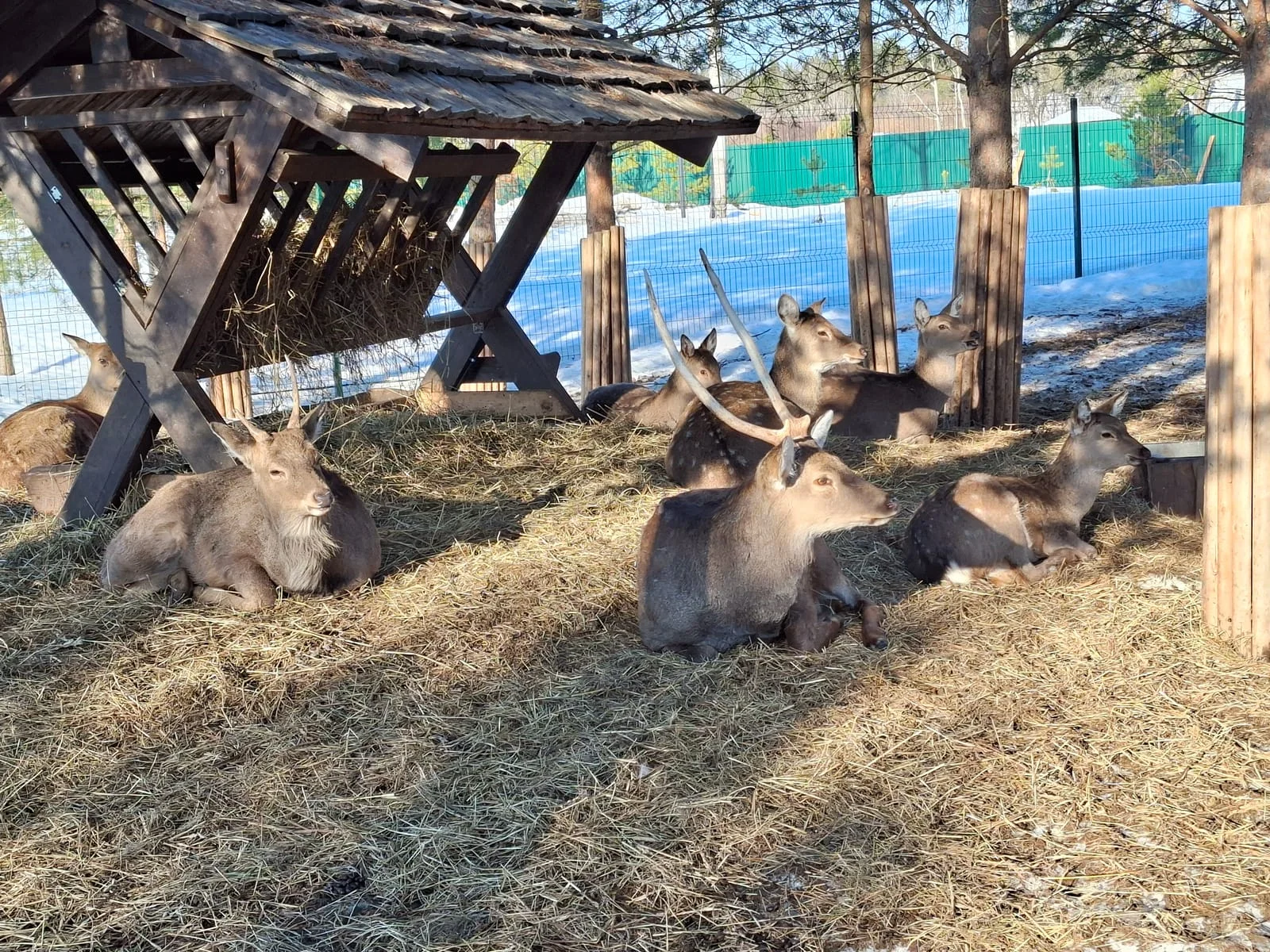
Deer and Venison Farm Fallen Stock and ABP Collection – Compliance for a Growing Sector
Farmed deer and venison production has grown steadily across the UK, and like any livestock enterprise it generates fallen stock and animal by-products that must be handled under the ABP framework. Martlands provides licensed deer farm fallen stock and ABP collection within our wider fallen stock and ABP collection service, operating from our family-run, DEFRA-approved […]

Open Farms, Petting Farms and City Farms – Fallen Stock and ABP Collection With the Public in Mind
Visitor attractions that keep animals carry an unusual mix of responsibilities, because they must manage fallen stock and animal by-products to the same legal standard as any farm while also protecting members of the public who come into close contact with their animals. Martlands serves open and petting farms as part of our fallen stock […]

The New Business Food Waste Separation Law – What Simpler Recycling Means for Your Premises
If you run a restaurant, care home, factory canteen, hotel kitchen or any workplace that produces food waste in England, the rules changed under Simpler Recycling and most businesses with ten or more employees now have a legal duty to separate food waste from general rubbish. Getting this right is where licensed food waste and […]

How Fallen Stock Collection Services Support Upland and Remote Farms
Farmers operating in upland, hill, or other remote areas of the United Kingdom face a particular set of challenges when it comes to fallen stock management. Difficult terrain, remote field systems, limited road access, and the practical difficulties of working in exposed conditions all compound the already demanding task of managing fallen stock in compliance […]

How to Handle Fallen Stock During Lambing Season
Lambing season is the most demanding period in the sheep farmer’s year, and it is also the time when fallen stock events are most likely to occur. Managing the death of ewes and lambs correctly during this busy period is both a legal requirement and a critical biosecurity responsibility. With the right preparation, clear procedures, […]

What to Do If You Find a Dead Animal on Your Land – A Farmer’s Guide
Finding a dead animal on your land is an unfortunate but unavoidable part of life for most farmers in the United Kingdom. Whether you are managing a large mixed livestock operation or a smaller family holding, the death of an animal on your property creates both a practical challenge and a legal obligation that must […]

Fallen Stock Collection for New and Tenant Farmers – Getting Started
Starting out in farming – whether as a new entrant to the industry or as a tenant farmer taking on a holding for the first time – involves navigating a complex landscape of regulations, responsibilities, and practical requirements. Among the regulatory obligations that apply from the very first day of managing livestock is the requirement […]