

A product recall is an expensive, fast-moving event, and the disposal of the recovered stock is the part most often improvised. Product recall ABP collection is the licensed route by which withdrawn food containing material of animal origin leaves a business, and doing it properly is what allows a manufacturer to demonstrate to a retailer, […]

Dairy Processing ABP Collection for Creameries and Cheese Makers
Dairy processing sits inside the animal by-products framework in a way that surprises many producers, because milk is material of animal origin and the residues of processing it are regulated accordingly. Dairy processing ABP collection covers out-of-specification milk, failed batches, whey solids where they cannot be used, rejected packaged product and the material recovered from […]

Casualty Slaughter Fallen Stock Collection and the By-Products That Follow
Few areas of on-farm decision making are as poorly understood as the point at which an injured animal stops being a candidate for the food chain and becomes fallen stock. Casualty slaughter fallen stock collection sits directly on that line, and getting the decision wrong costs either the value of the carcass or a serious […]

Rescue Centre ABP Collection for Kennels Catteries and Sanctuaries
Animal rescue centres, boarding kennels, catteries and sanctuaries face a disposal question that most other businesses never have to answer, and rescue centre ABP collection is a regulated activity rather than a matter of choice. Deceased pet animals are Category 1 animal by-product material, which places them in the most tightly controlled stream in the […]
Wildlife Park ABP Collection for Zoos, Safari Parks and Animal Collections
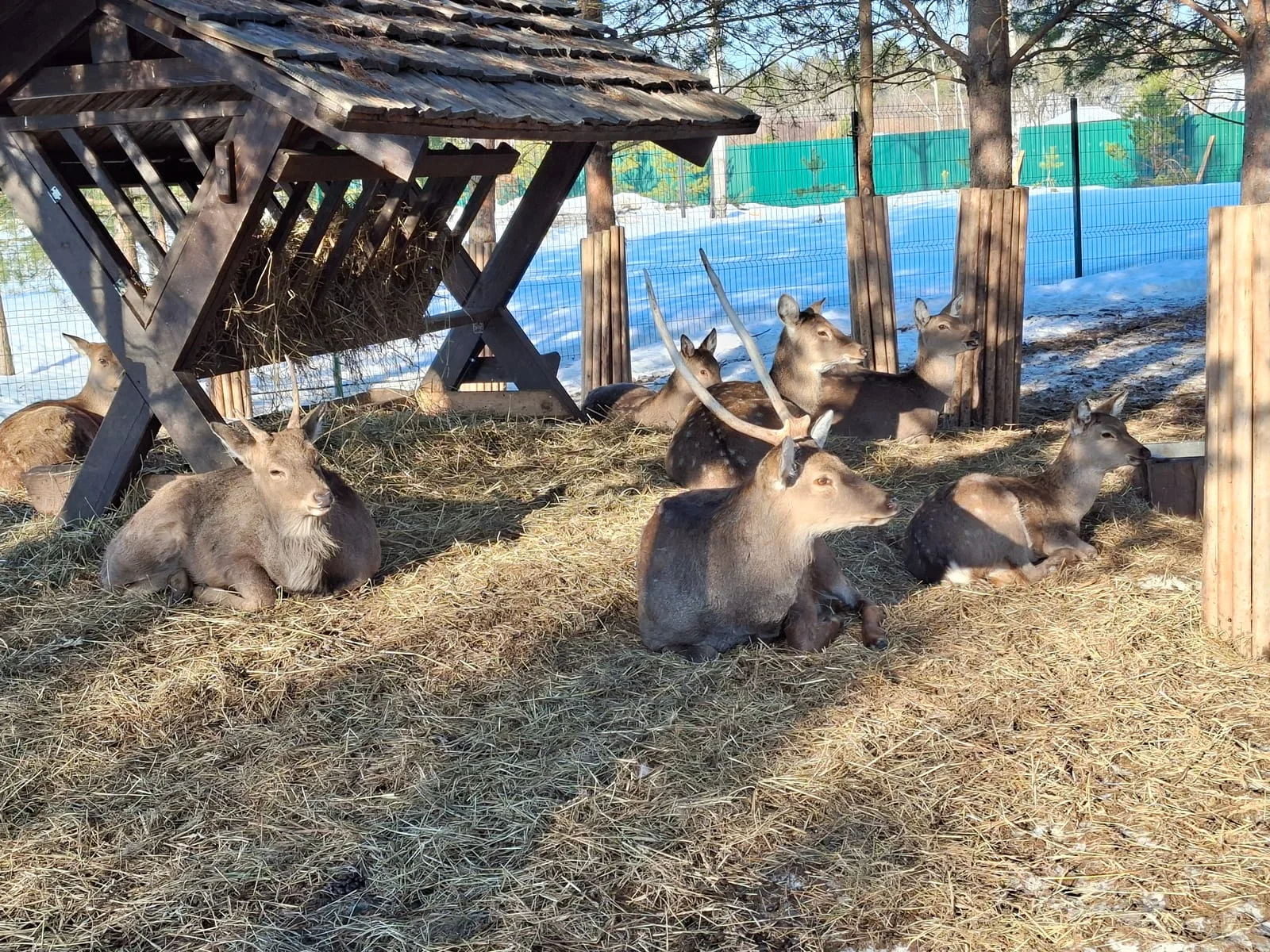
A zoological collection produces a far more varied stream of animal by-product material than a farm does, and it does so under the gaze of a paying public and a licensing authority at the same time. Martlands provides licensed fallen stock and ABP collection across the North West and is approved for all three animal […]

Veterinary Practice ABP Collection and the Material a Practice Cannot Put in Clinical Waste
Veterinary practices generate a stream of animal by-product material that sits awkwardly between clinical waste and farm waste, and the two are not interchangeable. Martlands is a DEFRA approved provider of fallen stock and ABP collection licensed for all three animal by-product categories, and veterinary practice ABP collection is a service we provide to farm, […]
Pet Food Manufacturing ABP Collection and the Category 3 Chain Either Side of the Factory
Pet food manufacturing sits at an unusual point in the animal by-products system, because the industry consumes Category 3 material as a raw input and generates further by-product material as an output. Martlands is licensed and DEFRA approved for all three animal by-product categories and provides fallen stock and ABP collection across the North West, […]

End of Flock Poultry ABP Collection and Managing Depopulation Properly
Poultry production runs in cycles, and the end of each cycle produces a concentrated burst of animal by-product material that is quite different in character to the daily mortality a unit handles the rest of the time. Martlands is a DEFRA approved provider of fallen stock and ABP collection licensed for all three by-product categories, […]

Bank Holiday Waste and ABP Collection and How to Plan Around the Summer Breaks
Bank holiday waste and ABP collection is something most farms and food businesses only think about when it catches them out, yet the British summer is punctuated by long weekends that disrupt routines just when warm weather is at its most demanding. The late May and August bank holidays, along with staff annual leave, can […]
Summer ABP Fly-Tipping and How Licensed Collection Protects Your Business
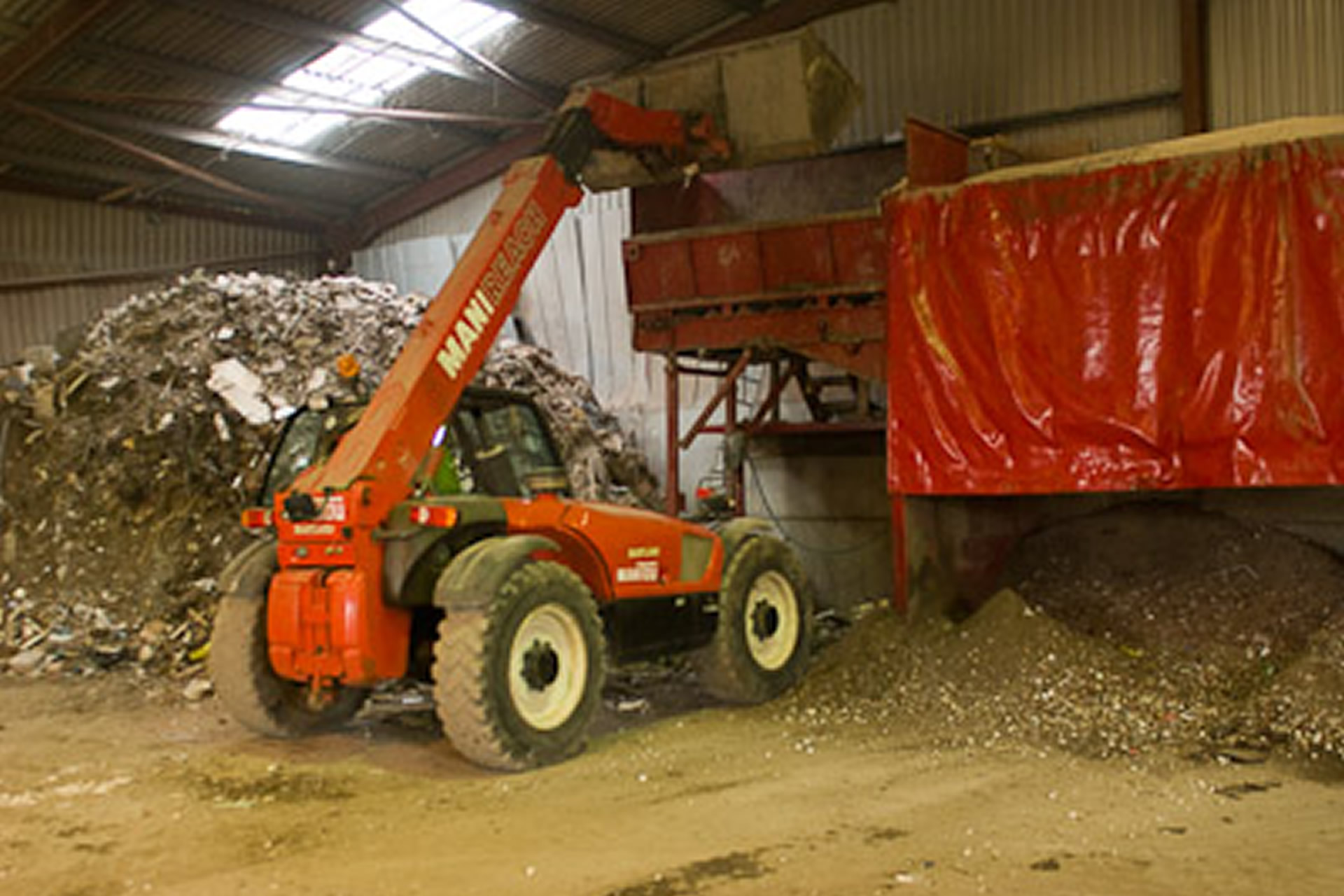
Summer ABP fly-tipping is a problem that rises every year with the warm weather, as higher waste volumes, stretched budgets and the temptation of a quick fix lead some to dump animal by-products illegally rather than dispose of them lawfully. For the food businesses, butchers and farms of the North West, the danger is twofold, […]