
Penrith fallen stock collection covers some of the most varied livestock country in the North West, from lowland suckler herds on the Eden Valley floor to hefted ewes on the commons above Ullswater and the high ground of Alston Moor. Martlands is a family-run, DEFRA approved collector based in Burscough, Lancashire, and our fallen stock […]
Fallen Stock Incinerator or Licensed Collection – What Farmers Should Weigh Up
A fallen stock incinerator can look like an appealing answer to the problem of dead animals on farm. Burn the carcass on site, avoid waiting for a lorry, and keep control of the whole process. For some units, particularly poultry and pig farms with steady daily mortality, an approved on-farm incinerator can be a legitimate […]
Chorley Fallen Stock Collection From the West Pennine Moors to the Croston Plain
Chorley fallen stock collection covers two very different kinds of farming. To the east, the borough climbs onto the edge of the West Pennine Moors at Rivington, Anglezarke and Heapey, where sheep graze the moor fringe above the reservoirs. To the west, the land drops to the flat, fertile ground around Eccleston, Croston and Mawdesley, […]
Tupping Season Fallen Stock Collection – Losing Rams and Ewes in the Autumn
Tupping season fallen stock collection is something most sheep farmers would rather not think about, but October and November bring a predictable rise in losses among rams and breeding ewes. Rams are working harder than at any other time of year, ewes are being gathered, flushed and handled, and the weather in the North West […]
Ormskirk Fallen Stock Collection From Your Neighbours in Burscough
Ormskirk fallen stock collection is about as local as it gets for Martlands. Our yard in Burscough sits a few miles up the A59 from Ormskirk town centre, so when a cow, ewe, pig or horse dies on a holding in Aughton, Halsall, Lathom, Westhead or Bickerstaffe, the vehicle that comes for it is setting […]
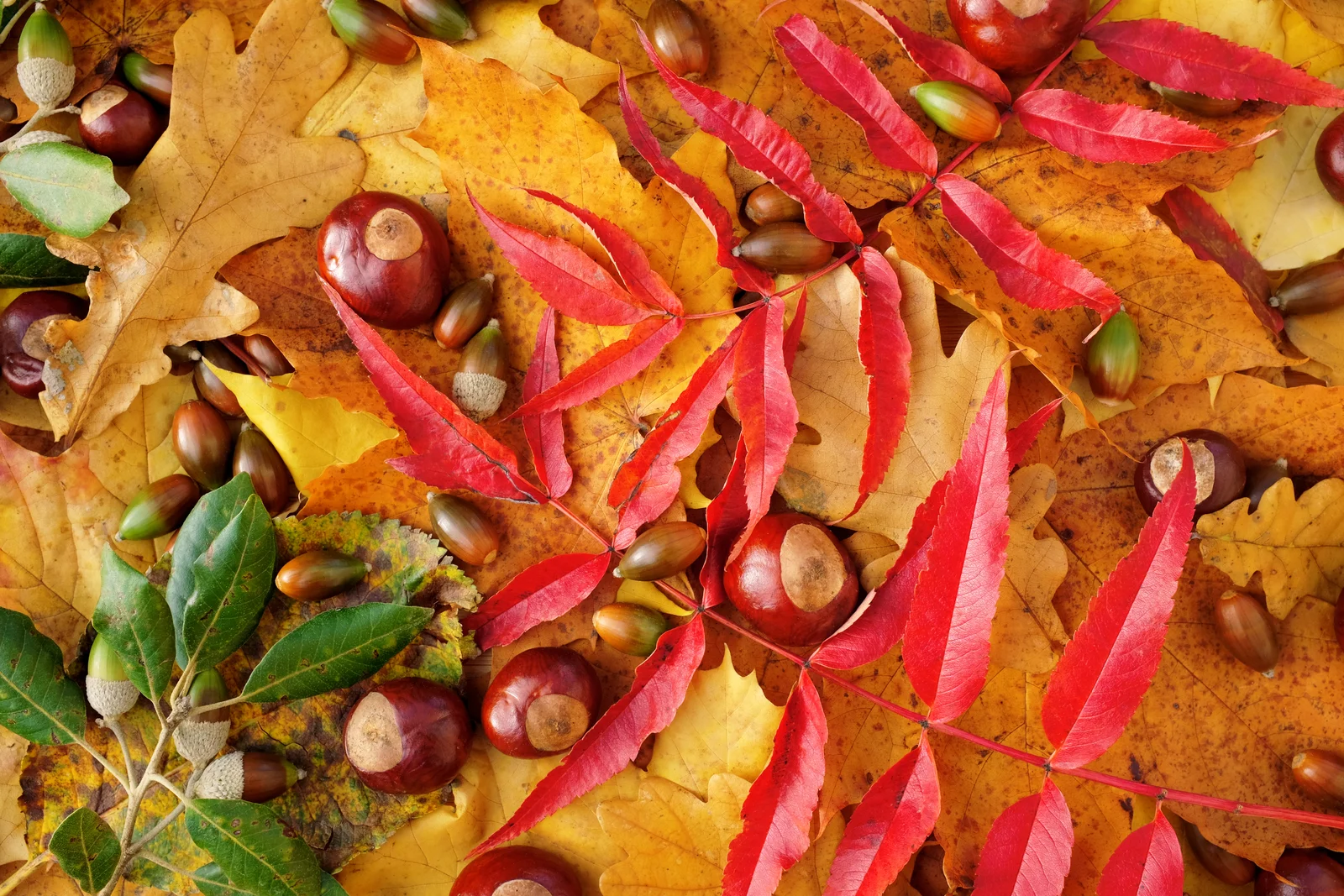
Autumn Poisoning Fallen Stock Collection After Acorn and Sycamore Losses
Every autumn a handful of North West farms lose animals to plants that were harmless three weeks earlier, and autumn poisoning fallen stock collection follows a seasonal calendar as reliable as any disease. Acorns drop in September and October, sycamore seeds fall through the same weeks, yew clippings appear on hedgerows after garden tidying, and […]

Casualty Slaughter Fallen Stock Collection and the By-Products That Follow
Few areas of on-farm decision making are as poorly understood as the point at which an injured animal stops being a candidate for the food chain and becomes fallen stock. Casualty slaughter fallen stock collection sits directly on that line, and getting the decision wrong costs either the value of the carcass or a serious […]
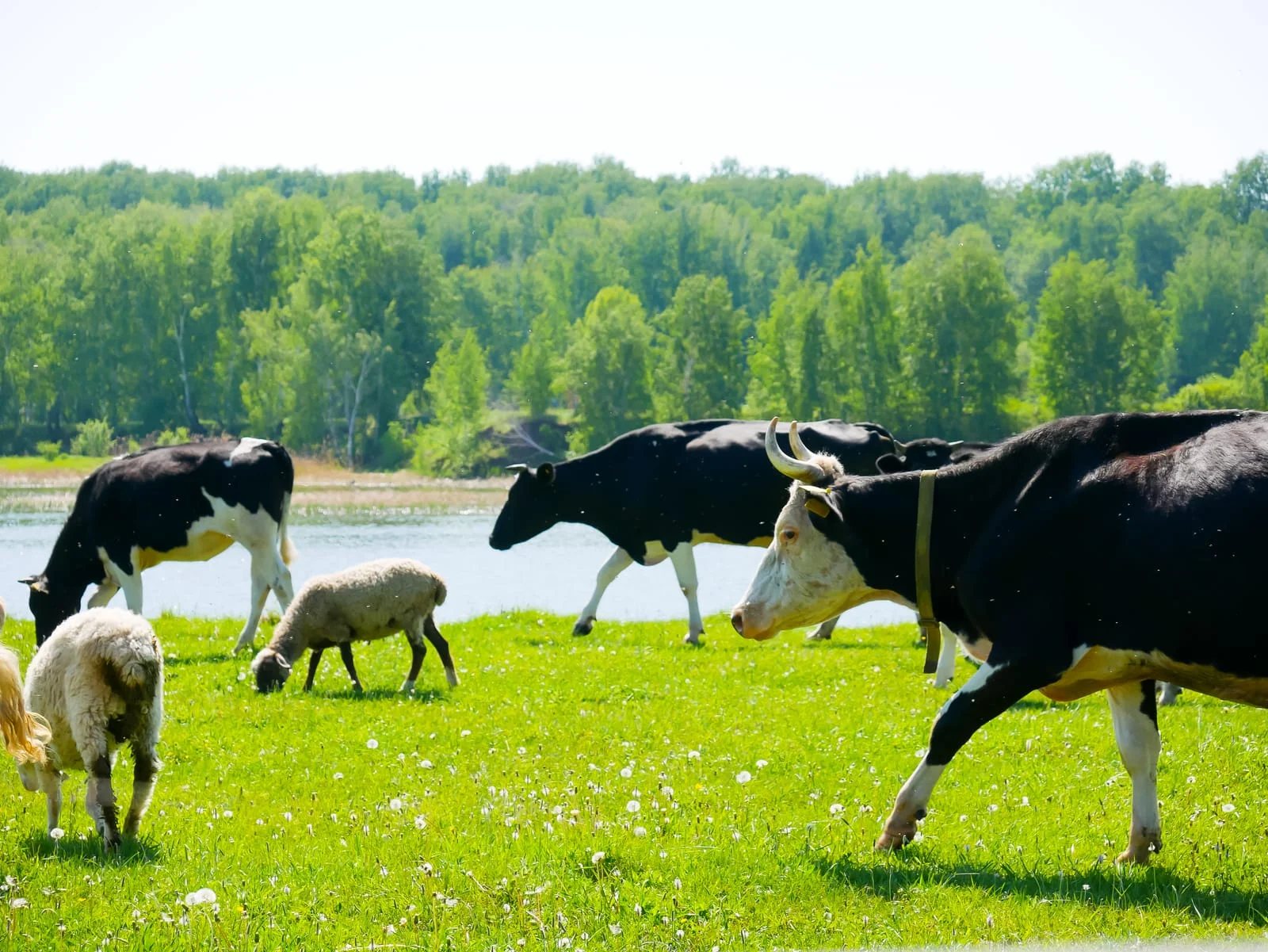
Organic Farm Fallen Stock Collection and Certification Record Keeping
Organic certification adds a layer of scrutiny to almost every input and output on a holding, and organic farm fallen stock collection is one of the areas where inspectors expect the paperwork to be complete rather than approximately right. Organic standards do not create a separate disposal route for dead animals, but they do put […]

Farm Access Fallen Stock Collection Through Autumn and Winter Conditions
The single most common reason a collection is delayed is not the collector and not the farmer, it is the ground between them. Farm access fallen stock collection becomes markedly harder from October onwards, when tracks that carried a loaded vehicle all summer turn to mud and field gateways stop being usable at all. Martlands […]
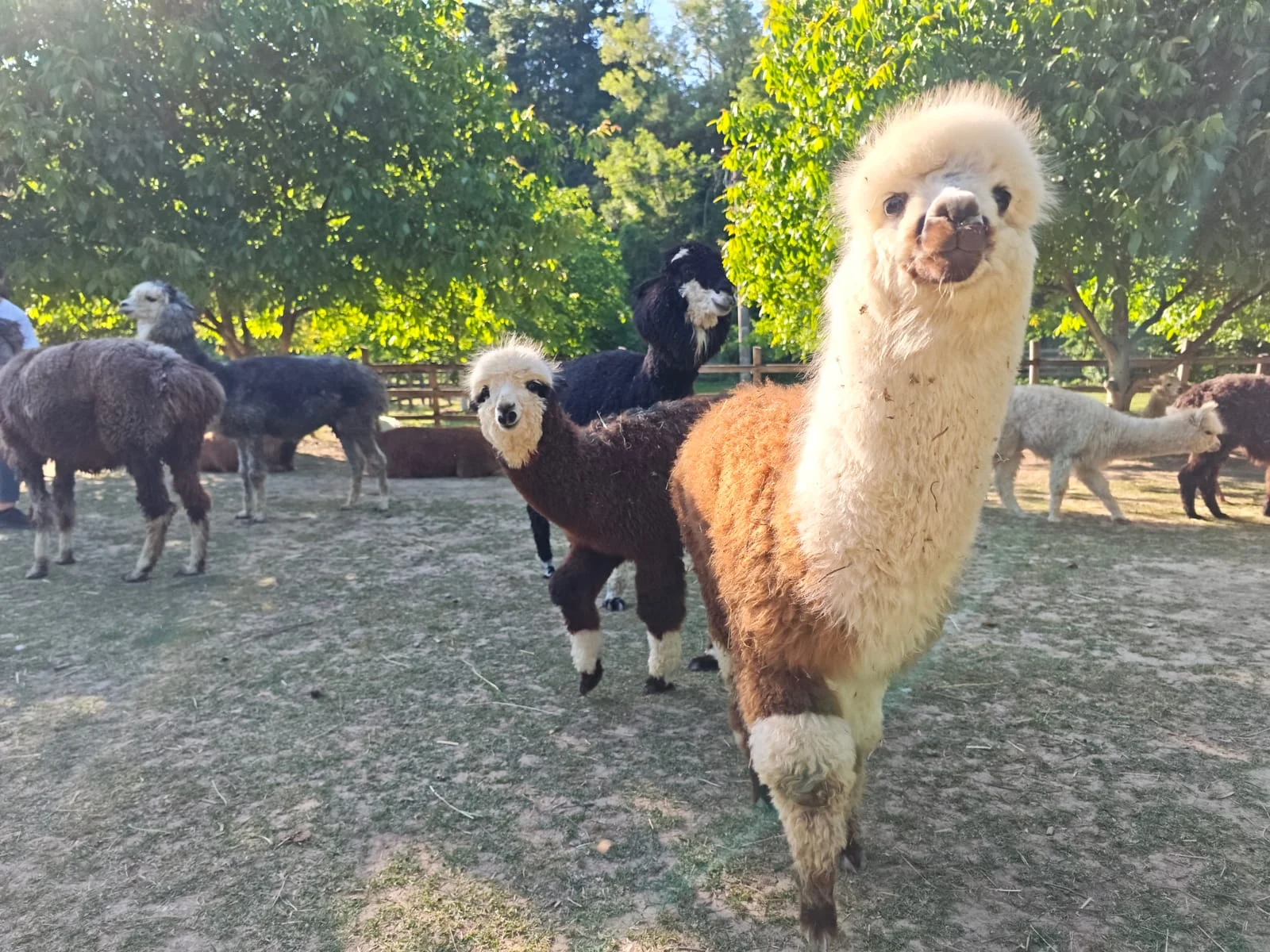
Alpaca Fallen Stock Collection for North West Camelid Keepers
Alpacas and llamas have gone from curiosity to established smallholding livestock across Lancashire, Cheshire and the Wirral in little more than a decade, and alpaca fallen stock collection is now a regular part of our week rather than an occasional call. Many camelid keepers come to livestock from a companion animal background and are genuinely […]