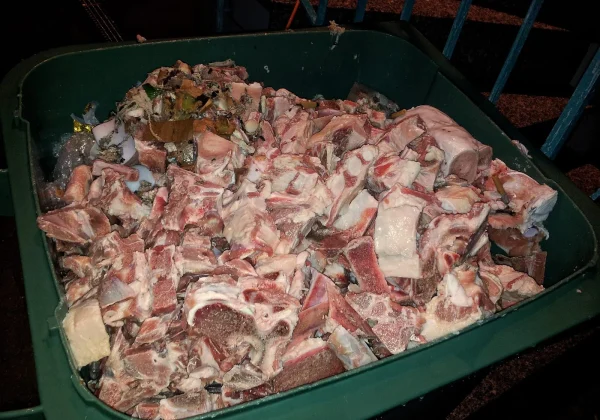

Event food waste collection is one of the least glamorous but most important parts of running a summer festival, food fair or outdoor occasion, and across the North West the warm months are packed with exactly these gatherings. From music festivals and food and drink fairs to county fetes, sporting events and charity galas, summer events bring crowds of hungry visitors and a fleet of catering traders, all generating food waste that has to be collected lawfully. A licensed operator providing fallen stock and ABP collection handles this regulated waste, and Martlands supports event organisers across the region from our base in Burscough.
The Scale and Intensity of Event Waste
Events compress an enormous amount of catering into a short, concentrated window. A weekend festival with dozens of food traders can produce a volume of food waste that dwarfs a permanent restaurant’s output over the same period, and it all appears at once, on a temporary site that has no built-in waste infrastructure. Add summer heat and large crowds, and effective on-site waste management becomes essential to keeping the event safe, pleasant and compliant.
Catering Waste From Many Traders
Each food trader on site is producing catering waste, and collectively that is a significant regulated stream. Traders handling raw meat also generate animal by-products. The organiser typically has to provide the waste infrastructure that lets every trader dispose of food waste compliantly, rather than leaving it to chance. Our guide to guide to disposing of catering waste explains the obligations that attach to catering waste wherever it is produced.
Separation on a Temporary Site
The simpler recycling rules apply to events as much as to fixed premises, which means food waste must be separated and collected by a licensed operator even on a field for a weekend. The practical challenge is setting up clearly marked food waste points that traders and the public actually use, and arranging collection that keeps pace with the crowds. Our explanation of the new business food waste separation law sets out the requirement that event organisers need to design around.
Heat, Crowds and Hygiene
A summer event is the worst-case scenario for food waste left unmanaged, combining high volumes, hot weather and dense crowds. Overflowing or sun-baked bins draw flies and vermin, create odour and become a genuine public health and reputational risk. Sealed containers, well-sited and screened bin points, and frequent collection through the event all keep the site under control. We provide leak-proof containers and can schedule collections to match the rhythm of an event, including the heavy clear-up that follows.
Coverage for Events Across the Region
Our food waste collection reaches event sites across the North West, from town-centre festivals to rural showgrounds and country estates. We hold dedicated provision for Preston food waste collection and serve the wider region, and working from Burscough we can support both the build-up and the take-down phases when waste volumes peak. Organisers benefit from dealing with a single licensed collector rather than leaving traders to make their own uncertain arrangements.
Documentation for the Organiser
Every collection comes with the appropriate Waste Transfer Note or equivalent, giving the organiser clear evidence that food waste from the event was handled lawfully under the duty of care. For events that need a licence or that report on their environmental impact, that documentation is important, and it protects the organiser if questions are asked afterwards.
Plan Waste Into the Event From the Start
The events that run cleanly treat waste as part of the core plan, not an afterthought, sizing provision to expected crowds and booking collection around the schedule in advance. Getting this right keeps the site pleasant for visitors and keeps the organiser on the right side of the rules.
Why Temporary Sites Are the Hardest to Service
Festivals and outdoor events present a waste challenge that permanent premises never face. Catering is delivered by a shifting collection of traders, there is no built-in storage infrastructure, the site may be a field with limited access, and the whole operation runs for only a few intense days in the warmest part of the year. Food waste and animal by-products are generated in volume, in heat, by operators who may not know one another, which makes coordinated, compliant collection essential rather than optional.
Coordinating Traders Under One Compliant System
The events that manage waste well put a single clear system in place that every trader plugs into. Designated, sealed storage points, an agreed collection schedule across the event days, and clear instruction to traders on separating food waste from general waste all keep a temporary site under control. Organisers carry responsibility for the site as a whole, so lining up a licensed collector in advance, with vehicle access planned around the event layout, is part of running the event properly.
Leaving the Site Clean and Compliant
An event is also judged on how it leaves the ground behind it. Prompt removal of food waste and by-products through and after the event protects the venue, satisfies the landowner and local authority, and avoids the pest and odour problems that build fast when waste sits in a summer field. A documented, licensed collection route is the evidence that the event met its obligations.
If you organise festivals or outdoor events anywhere across the North West and need reliable summer food waste collection, call Martlands on 01704 776977 and we will build a waste plan around your event.