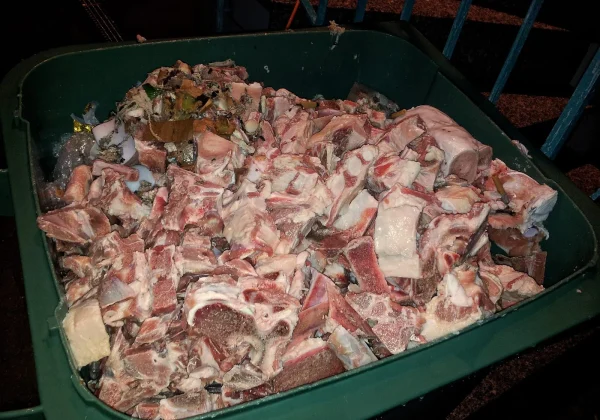

Wedding venue food waste collection is a summer-defining task for the country houses, barns, marquees and hotels that host the bulk of their celebrations between May and September. A single large wedding can generate a remarkable quantity of food waste in one evening, and a venue running several events a week through the season needs that waste collected reliably and lawfully. A licensed provider of fallen stock and ABP collection covers this regulated stream, and Martlands supports wedding and events venues across the North West from our base in Burscough.
The Concentrated Nature of Wedding Waste
Wedding catering is different from day-to-day hospitality because it comes in intense bursts. Preparation for a hundred-plus covers, a multi-course wedding breakfast, an evening buffet and the inevitable plate waste all land within a single day, often at a rural venue some distance from the nearest town. Across a busy summer week a popular venue may host several of these, producing food waste in volumes that need careful handling, especially in warm weather and at sites without urban refuse infrastructure on the doorstep.
Catering Waste and By-Product Obligations
Wedding food waste is catering waste, regulated and unable to go to landfill or down the drain, and where kitchens handle raw meat and animal products the by-product rules also apply. Whether catering is done in-house or by an external marquee caterer, the duty to dispose of the waste lawfully sits with the business handling it. Our guide to guide to disposing of catering waste explains how this regulated stream must be managed.
Separation Rules at the Venue
The simpler recycling reforms require food waste to be separated and collected by a licensed operator, and wedding venues are within scope just as any other food business is. For a venue juggling in-house and visiting caterers, having a clear, well-signed food waste system that everyone uses is the key to staying compliant during a hectic event. Our explanation of the new business food waste separation law helps venue managers set that up properly.
Heat, Rural Sites and Timing
Summer heat and a rural setting are a tricky combination for waste. Food waste left from a Saturday wedding cannot sit festering in the sun until a routine collection days later, drawing flies and odour across a venue that is about to host the next celebration. Sealed, leak-proof containers, a discreet and shaded bin store away from guest areas, and collection timed around the events calendar all keep a venue presentable. We supply leak-proof containers and schedule collections around the wedding diary rather than a rigid weekly slot.
Coverage for Rural and Country Venues
Many of the region’s best wedding venues are rural, and we are set up to reach them. Our food waste collection covers the countryside as well as the towns, and we hold dedicated provision for Ormskirk food waste collection and the wider rural West Lancashire and Cheshire venue country. Working from Burscough across the region, we can serve sites that a town-focused collector would struggle to reach reliably on a summer weekend.
Documentation for a Professional Operation
Every collection is documented with the appropriate Waste Transfer Note or equivalent, giving the venue clear evidence of lawful disposal under its duty of care. For a venue that trades on professionalism and presentation, and that may be inspected, that record is part of running a tight operation, and it supports any sustainability messaging the venue uses in its marketing.
Book Around Your Wedding Diary
The venues that manage waste best plan around their events calendar, booking collections to follow their busiest weekends rather than relying on a fixed schedule. Getting container sizes and timing right for the season keeps the grounds immaculate for every couple.
Why Wedding Catering Produces Concentrated Waste
A wedding is an unusually intense catering event. A large number of covers are served across a single day, often from a marquee or temporary kitchen with limited built-in storage, and the result is a concentrated burst of food waste produced far from a venue’s normal facilities. Through the peak summer wedding months a popular venue may run several of these events a week, each generating significant by-products that have to be stored cleanly and collected promptly before the next event sets up.
Planning Waste Around a Packed Events Diary
The venues that handle this well build waste collection into the event schedule rather than treating it as an afterthought. That means sealed, screened storage away from guest areas and the next marquee, collection frequency matched to a full summer diary, and clear responsibility among catering staff for getting waste into the right containers at the end of a long day. In hot weather, leaving by-products in a marquee bin overnight is exactly what draws flies and complaints, so the gap between events is the critical window to manage.
Keeping the Paperwork Clean for a Premium Venue
Wedding venues trade heavily on presentation and reputation, and their compliance record matters to the corporate and private clients who book them. Keeping documentation that proves food waste went to a licensed route, and keeping the storage area immaculate even at the height of the season, protects the premium image the business depends on.
If you run a wedding or events venue anywhere across the North West and need food waste collection that works around your summer diary, call Martlands on 01704 776977 and we will build it around your events.