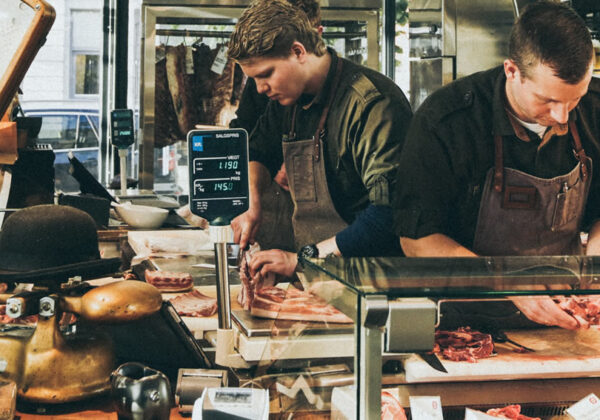

An environmental health visit can come with little warning, and for any premises handling meat the way you manage butchers waste and animal by-products is one of the things an officer will scrutinise. Martlands keeps butchers and food businesses inspection-ready as part of our fallen stock and ABP collection service, working from our family-run, DEFRA approved base in Burscough, Lancashire. Knowing what an officer looks at lets you make sure your waste handling never becomes the weak point in a visit.
Why Waste Handling Is Part of the Inspection
Environmental health officers assess the whole hygiene picture of a food premises, and waste is part of that picture. For a butcher, the volume of bone, fat and trim produced makes by-product handling a visible feature of the operation, and an officer will form a view from how it is stored, how often it is removed and whether it is documented. Poorly controlled butchers waste, with overflowing or unsealed containers and no clear collection arrangement, is exactly the kind of thing that drags down a hygiene rating and prompts deeper questions.
What Good Storage Looks Like to an Officer
An officer wants to see by-products held in sealed, leak-proof containers, stored away from food preparation and customer areas, and removed before they accumulate. The storage area should be clean, pest-proofed and easy to keep that way. A butcher who can show a tidy, controlled by-product area sends a strong signal about the standards running through the whole shop. Our Martlands guide to butchers waste sets out practical storage and handling that stands up to inspection.
The Documentation Question
Beyond what an officer can see, they may ask how your by-products are disposed of, and the right answer is through a licensed collector with documentation to prove it. Each collection we make generates a Waste Transfer Note and a Commercial Document, and being able to produce a current, filed set of these immediately demonstrates that your waste leaves the premises through a lawful, traceable route. A premises that cannot evidence where its meat waste goes invites concern about fly-tipping or improper disposal.
Frequency Matched to Throughput
The right collection frequency depends on how much you process, and an officer will notice if waste is clearly building up faster than it is removed. We scale collection to throughput so that material never sits long enough to become a hygiene or odour problem, which keeps both the officer and your customers comfortable. Our dedicated butchers waste collection service is built around matching schedule to output.
Local Coverage for Butchers
Butchers across the North West rely on dependable collection to keep their premises inspection-ready, and our reach covers the towns and cities where independent butchery thrives. Operators can read about our county-wide Cheshire butchers waste collection coverage, and those in the industrial towns of the region can see our local Warrington butchers waste collection service.
What an Unannounced Visit Means for Waste
Environmental health visits are frequently unannounced, which means there is no opportunity to tidy a neglected by-product area before the officer arrives. Whatever state your waste handling is in on an ordinary trading day is the state it will be inspected in. That is precisely why a routine of sealed containers, controlled storage and scheduled collection matters, because it makes every day an inspection-ready day. A premises that relies on a last-minute clean-up is always one surprise visit away from a problem, while one with genuine daily discipline has nothing to fear from the timing of a visit.
Staying Ready
An environmental health visit holds no fear when your by-product handling is controlled, documented and clearly under management. To set up a butchers waste arrangement that keeps you inspection-ready every day, call Martlands on 01704 776977 and we will tailor containers and frequency to your premises.