
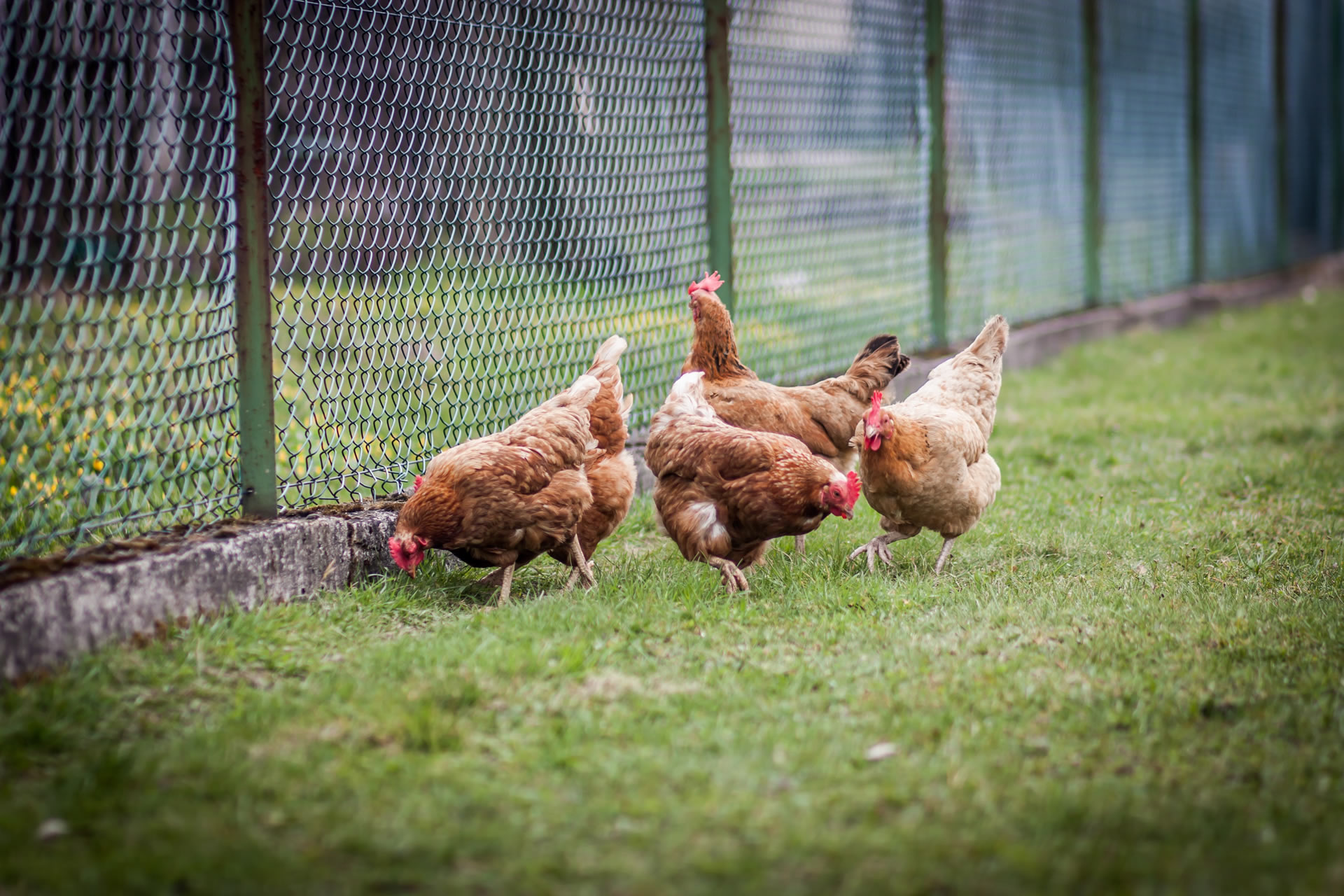
Poultry heat stress mortality is one of the sharpest summer risks in livestock farming, because birds are highly sensitive to heat and a single hot day, or a ventilation or power failure during one, can cause significant losses in a very short time. On the broiler and laying units of Lancashire, Cheshire and the wider North West, summer heat events demand careful management, and when birds are lost the carcasses are animal by-products that must be removed lawfully and fast. A licensed provider of fallen stock and ABP collection handles this regulated stream, and Martlands collects poultry losses across the region from our Burscough base.
Why Poultry Are So Vulnerable to Heat
Birds cannot sweat, and they shed heat mainly by panting and by losing it through their combs, wattles and unfeathered areas. In hot, humid conditions those mechanisms can be overwhelmed, especially in fast-growing broilers near slaughter weight and in high-producing layers. Stocking density, building design and ventilation all influence how a flock copes, and a unit that runs comfortably in spring can be pushed into crisis by a sudden summer heat event. The result, when it goes wrong, is mortality that can rise steeply within hours.
The Ventilation and Power Dimension
Modern poultry housing relies heavily on controlled ventilation to keep birds cool, which means a fan failure or power cut during a heatwave is acutely dangerous. The loss of airflow on a hot day can turn a well-managed house into a lethal environment very quickly, and these events are precisely when a unit can suffer a large, sudden loss. Backup power, alarmed ventilation systems and regular maintenance all reduce the risk, but failures still happen, and they tend to happen when the system is under the most strain.
Managing the Heat to Reduce Losses
Good summer poultry management focuses on keeping birds cool and reducing the metabolic heat they generate. Adequate ventilation and airflow, access to cool water, sensible stocking, adjusting feeding to cooler parts of the day, and close monitoring during hot spells all help. Daily mortality is a normal part of running a poultry unit, but heat events can push it well above the baseline, and being ready to deal with a surge in losses is part of summer preparedness. Our note on poultry farm fallen stock collection covers routine mortality management that the summer surge sits on top of.
The Disposal Duty for Fallen Birds
Fallen poultry are animal by-products and must be disposed of through approved routes. On-farm burial and burning are not permitted, and the duty to arrange collection without undue delay applies. After a heat event, when numbers can be high, prompt removal is both a legal requirement and a biosecurity necessity, since a pile of carcasses in summer heat is a powerful attractant for flies and vermin and a disease risk to the surviving flock. Our overview of ban on burying or burning fallen stock explains why the obvious shortcuts are unlawful.
Rapid Response for a Sudden Surge
The defining feature of a poultry heat loss is that it can be large and sudden, which is exactly the scenario a rapid-response collector is built for. We offer same-day collection availability and run a fleet from Burscough across the poultry-keeping districts of the region, so that a unit facing a surge in mortality can get carcasses removed quickly. We hold dedicated cover for Lancashire fallen stock collection and across the wider North West.
Documentation and Disease Vigilance
Every collection comes with a Commercial Document, giving you a clear record of losses, which matters both for your own management and for demonstrating compliance. A sudden rise in mortality also warrants checking that heat, rather than disease, is the cause, and where notifiable disease such as avian influenza is a possibility, prompt documented removal is essential. Our note on what is avian influenza covers the vigilance that should accompany any unexplained spike in poultry deaths.
Prepare Your Unit for the Heat
The poultry keepers who weather summer best prepare their ventilation, backup power and monitoring before the heat arrives, and have a rapid collection arrangement ready for the worst case. That combination keeps losses down and ensures any that do occur are dealt with quickly and lawfully.
Why Heat Events Cause Mortality to Spike
Poultry units run close to their thermal limits in summer, and a heat event can turn a normal day’s mortality into a sudden spike. Densely housed broilers and laying birds generate and hold heat, and when high ambient temperatures coincide with a ventilation failure or a power cut, losses can climb sharply within hours. The result is a large volume of fallen stock appearing all at once, in the worst possible conditions for holding it, which makes a rapid and reliable collection response essential.
Managing a Sudden Volume Compliantly
The units that handle a heat event well have a plan for the by-products as well as for the birds. That means knowing how quickly a collection can be mobilised for an unusually large volume, having clean and accessible storage that can hold a spike without becoming a hazard, and understanding the category and documentation that apply to the loss. Standby ventilation and power are the first line of defence against the deaths themselves, but a dependable collection arrangement is what keeps a heat event from also becoming a disposal and compliance crisis on the unit.
If you run a broiler or laying unit anywhere across the North West and need rapid, compliant collection when summer heat causes losses, call Martlands on 01704 776977 and we will respond quickly.