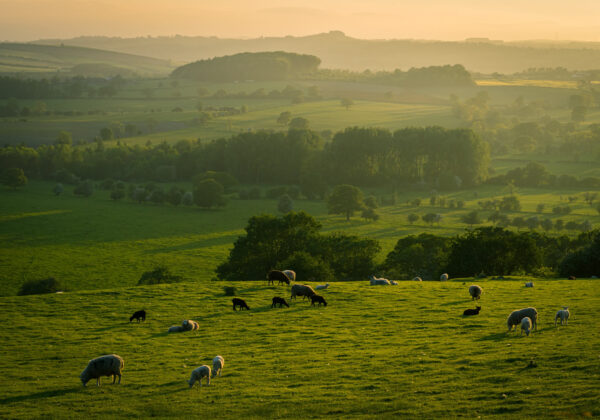

Summer grazing livestock losses often arrive with no warning at all. A herd that looked perfectly healthy at the morning check can produce a dead animal by afternoon, struck down by bloat on lush clover, grass staggers on fast-growing leys, or nitrate poisoning after a flush of growth following rain. For cattle and sheep keepers across Lancashire, Cheshire and Cumbria, these sudden pasture deaths are a recurring summer reality, and each one creates an immediate disposal obligation that only a licensed operator providing fallen stock and ABP collection can lawfully meet. Martlands is a DEFRA-approved, family-run collector based in Burscough, and we respond to sudden grazing losses across the region every summer.
The Hidden Dangers in Summer Grass
Good summer grazing is a double-edged sword. The same rapid growth that fills a cow’s belly and drives milk and liveweight gain also creates the conditions for several fast-acting, often fatal disorders. Understanding them helps you reduce losses, but it also explains why the deaths that do occur tend to be sudden and to cluster, which has direct consequences for how you handle disposal.
Bloat on Lush and Clover-Rich Leys
Frothy bloat happens when cattle gorge on rapidly growing, clover-heavy or wet pasture and gas becomes trapped in the rumen faster than the animal can belch it out. The rumen swells, presses on the lungs and heart, and an untreated animal can die within an hour. It is most common when stock are moved onto fresh, lush grazing on a damp summer morning. Introducing cattle to rich pasture gradually, offering fibre beforehand and avoiding turnout onto wet clover swards all reduce the risk, but losses still occur, often before anyone is on hand to intervene.
Grass Staggers and Sudden Collapse
Hypomagnesaemia, or grass staggers, strikes when magnesium levels crash, typically in lactating cows and ewes grazing fast-growing spring and summer grass that is low in available magnesium. Affected animals may be found dead with little prior sign, or stagger, convulse and collapse. Magnesium supplementation through licks, boluses or water reduces incidence, yet a sudden change in weather and grass growth can still catch a group out, producing several deaths in a short window.
Nitrate Poisoning After a Growth Flush
Heavy nitrogen fertiliser followed by rain and a burst of growth can leave grass and forage crops with dangerously high nitrate levels. Stock grazing it can suffer acute poisoning, with rapid breathing, weakness and death. As with bloat and staggers, the practical management message is caution around lush, fertilised, fast-growing summer swards, and the disposal message is that deaths tend to come quickly and in numbers.
Why Sudden Clustered Deaths Demand a Fast Response
When you lose one animal to bloat you often lose two or three, because the whole group has been exposed to the same conditions. Several carcasses appearing on the same warm afternoon is exactly the scenario where on-farm storage falls short and prompt removal matters most. Decomposition is rapid in summer heat, so what is a manageable situation at noon can be an odour and biosecurity problem by evening. This is why we maintain same-day collection availability and run a rapid-response fleet from Burscough out across the grazing country of the region, and why our note on why prompt fallen stock collection is critical during hot weather is worth reading before the warm spells arrive.
The Disposal Rules Behind Every Loss
However an animal dies, the law treats the carcass the same way. Under the Animal By-Products (Enforcement) (England) Regulations 2013 you must arrange collection by an approved operator without undue delay, generally within twenty-four hours, and on-farm burial and burning remain illegal. For cattle over forty-eight months, BSE sampling applies, and Martlands handles that as part of the collection through our DEFRA approved sampling facility. Our broader overview of legal collection and disposal of fallen stock sets out the framework in full, which is useful context whether the cause of death was disease, accident or a sudden grazing disorder.
Local Knowledge Across the Grazing Belt
Grazing losses look different in different landscapes, from the dairy pastures of the Cheshire plain to the mixed grass and moorland fringe around Clitheroe and Longridge. We know the ground, the access and the distances, and we hold dedicated cover for Cheshire fallen stock collection as well as right across Lancashire and Cumbria. That local presence is what allows us to turn a panicked afternoon into a single, simple phone call.
Records That Tell the Story of Your Summer
Each collection is documented with a Commercial Document, and a run of sudden grazing losses recorded properly gives you and your vet a clear picture of what happened, which supports better grassland and herd management next season. It also keeps you audit-ready. Sudden deaths are stressful, but clean records take some of the sting out of them.
Knowing Which Pastures Carry the Highest Risk
Summer grazing losses are rarely random. Lush, fast-growing leys after rain and a warm spell are the classic trigger for bloat, while fields recently dressed with nitrogen fertiliser carry the greatest risk of nitrate poisoning, and magnesium-poor spring grass drives staggers. Knowing which of your fields are the danger paddocks lets you manage turnout, buffer-feed fibre before moving stock onto rich grass, and check animals more closely in the first days on a new field. When a sudden death does occur on summer pasture, treating it as a regulated by-product from the outset and arranging prompt collection keeps a bad afternoon from turning into a compliance problem, and it protects the rest of the grazing group from the disease and vermin pressure a carcass attracts in the heat.
If a hot, growthy summer brings sudden grazing losses to your farm anywhere in the North West, call Martlands on 01704 776977 for fast, compliant fallen stock collection that gets carcasses off your ground the same day wherever possible.