
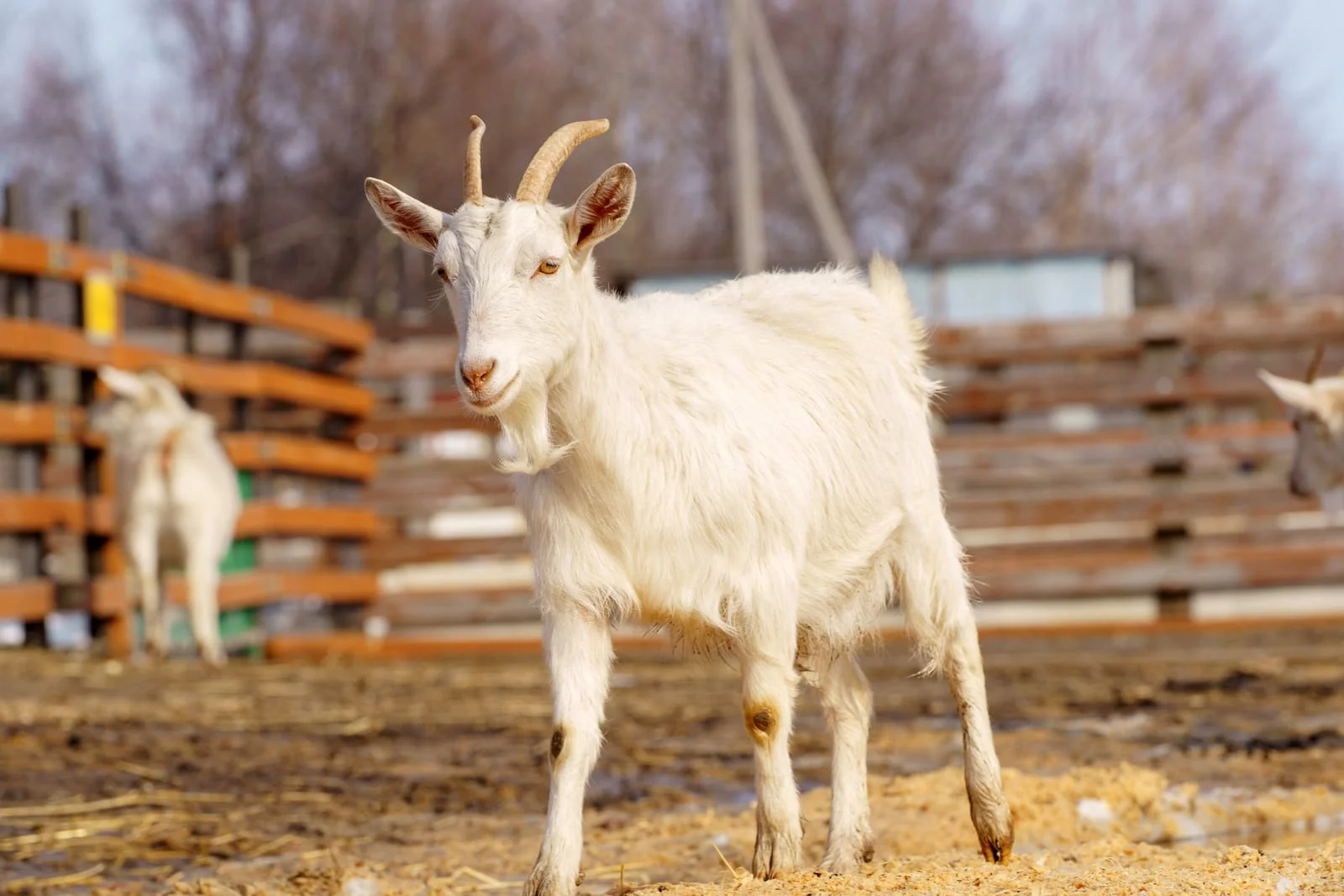
Drought and livestock losses are becoming a more familiar combination as hotter, drier summers stretch grazing and water supplies across the North West. While the region is rarely the driest part of the country, prolonged dry spells now bite even in Lancashire and Cheshire, parching pasture, lowering troughs and putting real pressure on stock at exactly the time heat is already testing them. When animals are lost to the compounding stress of heat and water shortage, the carcasses are regulated animal by-products, and a licensed collector offering fallen stock and ABP collection is the only lawful disposal route. Martlands collects fallen stock across the region from our Burscough base throughout the summer.
How Drought Drives Up Mortality
Drought rarely kills stock on its own, but it amplifies every other risk. As grazing burns off, condition slips, immunity weakens and animals become more susceptible to disease and metabolic disorders. Water is the first limiting factor in hot, dry weather, because a milking cow can need well over a hundred litres a day and even modest restriction causes a sharp fall in intake, output and welfare. When troughs run low or a supply fails during a heatwave, the most vulnerable animals can decline quickly.
Water Is the Critical Resource
Reliable water is the single most important defence against drought losses. That means checking troughs daily, clearing blockages, ensuring flow rates keep up with demand on the hottest days, and providing enough drinking points that timid or lame animals are not shut out by dominant ones. Stock crowding a single failing trough in a heatwave is a classic precursor to losses, both from dehydration and from the injuries and stress of competition. Shade matters too, and the combination of shade and abundant clean water prevents far more deaths than any after-the-event measure.
Thin Grazing and Forage Pressure
A dry summer also forces difficult feed decisions, with farms eating into winter forage early or buying in feed at short notice. Sudden ration changes bring their own risks, including digestive upsets that can prove fatal. The management response is gradual change, careful body-condition monitoring and early culling decisions for animals that will not hold up, but even well-run farms lose stock when drought is severe and prolonged.
The Disposal Duty Does Not Pause for Weather
However challenging the conditions, the disposal rules stay the same. Under the Animal By-Products (Enforcement) (England) Regulations 2013, fallen stock must be collected by an approved operator without undue delay, and burial or burning on farm is illegal. In dry heat, a carcass deteriorates fast and attracts flies and vermin, so prompt removal is both a legal requirement and a sensible biosecurity measure. Martlands provides same-day collection availability and a rapid-response fleet, and our piece on why prompt fallen stock collection is critical during hot weather explains why the summer window is so much shorter than the winter one.
Cattle, BSE Sampling and the Older Animals at Risk
Drought stress tends to find out the older, less resilient animals in a herd first. For any bovine over forty-eight months that dies, BSE sampling is required, and as a DEFRA approved sampling centre we carry that out as part of the collection. Our explanation of BSE testing of fallen cattle is useful background for cattle keepers planning for a hard summer, since older cows are precisely the ones a drought is most likely to take.
Reliable Collection Across a Wide Region
Drought does not respect farm boundaries, and when a dry spell bites it tends to affect whole districts at once, raising collection demand across an area. Our coverage spans the North West, and we hold dedicated provision for Greater Manchester fallen stock collection alongside Lancashire, Cheshire, Merseyside and Cumbria. Working from Burscough along the motorway network, our fleet keeps response times tight even when several farms in a district need collection in the same week.
Documentation and Scheme Support
Every collection comes with a Commercial Document, and as a member of the National Fallen Stock Company we help keep collection affordable and properly recorded. For keepers who want to understand how the national scheme works alongside our service, our note on who is NFSCO sets it out clearly. Keeping that paperwork in order through a difficult summer means your losses are fully accounted for when an assessor or inspector asks.
Plan Your Summer Water and Your Disposal Together
The farms that ride out a drought best plan their water provision and their disposal arrangement in the same breath, so that if losses do come the response is immediate. Knowing your collection number, keeping a clean and accessible collection point, and understanding the BSE requirement for older cattle all reduce stress when the weather turns against you.
How Water Stress Quietly Raises Mortality
Drought rarely kills animals outright, but it stacks the odds against the weakest in a herd or flock. As troughs run low and natural water sources dry up, intake falls, heat regulation suffers, and animals already carrying a health problem tip over the edge during the hottest part of the day. Failing trough valves, blocked supply pipes and overgrazed paddocks with no shade all compound the pressure, and losses tend to cluster on the worst days of a dry spell. Checking water provision daily, providing shade, and reducing stocking density on bare ground all reduce the toll. When losses do come, having a collection arrangement already in place means a dry, difficult week does not also become a disposal scramble, and your fallen animals are removed cleanly before the heat accelerates decomposition on hard, cracked ground.
If a dry, hot summer brings losses to your farm anywhere across the North West, call Martlands on 01704 776977 and we will arrange prompt, fully compliant fallen stock collection so you can focus on protecting the animals you still have.
Further Guidance on Drought and Livestock Losses
For the official rules, read the GOV.UK guidance on fallen stock and the safe disposal of dead animals. If you have questions about drought and livestock losses, call Martlands on 01704 776977 and our team will help.
