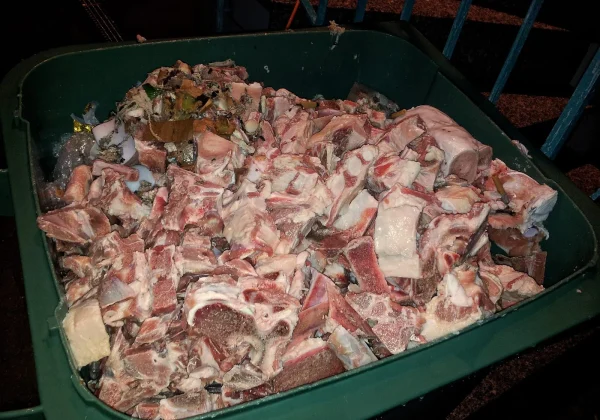

Restaurants, catering companies, and food service businesses generate significant amounts of waste, much of which falls under animal by-product regulations. Managing this waste correctly is essential for maintaining compliance and ensuring smooth day-to-day operations. Professional food waste and ABP collection services provide a reliable solution, ensuring that all waste is collected, transported, and processed in accordance with UK legislation. This is particularly important for businesses handling meat, dairy, and other animal-based products.
Why ABP Compliance Matters for Food Service
In the fast-paced world of hospitality, waste management often sits behind menu design, service speed, and customer satisfaction. Yet compliant handling of animal by-products (ABP) is not only a legal obligation but a cornerstone of hygiene, food safety, and sustainability. For restaurants that prepare, store, or dispose of meat, dairy, and other animal-derived materials, category-specific ABP processing safeguards staff and customers while protecting the environment. By partnering with professional food waste and ABP collection services, businesses gain access to expert guidance, reliable collections, and processing options tailored to the unique streams generated in kitchens, buffets, banqueting, and on-site butchery activities.
Understanding ABP Categories and Their Implications
- Category 1 ABP: High-risk materials requiring strict controls and confidential disposal. This can include products implicated in disease or hazardous contamination.
- Category 2 ABP: Materials that pose a potential risk but are not as immediately dangerous as Category 1. Handling and processing methods are still tightly regulated.
- Category 3 ABP: Animal by-products that originated from intended human consumption and are generally lower risk, yet still demand proper segregation and processing to prevent contamination and maintain hygiene.
For many restaurants, the majority of waste falls under category 3 animal by product collection processing. This includes trimmings, offcuts, remnants from prepared dishes, dairy waste, and other animal-derived residues that were initially intended for human consumption. Even within this category, correct segregation, containment, and transportation are essential to avoid cross-contamination and to comply with UK waste and ABP legislation. At times, waste may need to be classified differently, necessitating category 2 animal by product collection processing depending on the nature and risk profile of the material. A reputable provider should offer a range of processing options to ensure flexibility and ongoing compliance.
The Role of Professional Food Waste and ABP Collection Services
Partnering with a professional provider offers several tangible benefits:
- Compliance Assurance: Providers stay up-to-date with evolving UK legislation around ABP and waste handling, helping you avoid fines and enforcement actions.
- Waste Segregation and Labelling: Clear categorisation of waste streams (Category 1, Category 2, and Category 3) streamlines operations and reduces mix-ups in storage rooms and refuse vehicles.
- Regular, Reliable Collections: Scheduled pickups prevent excessive storage, reduce odours, and lower the risk of sanitation breaches in busy kitchens.
- Transportation and Processing: Safe transport to licensed facilities with appropriate processing pathways, whether for Category 3 ABP processing or more specialised routes for higher-risk materials.
- On-Site Hygiene Improvements: Better waste containment and handling reduces pest activity and improves staff morale and safety.
For restaurants closely connected to farming or supply chains, additional services such as farm and fallen stock collection may also be relevant. These options help cover rural or mixed-use environments where on-site waste streams may include animal by-products not originally intended for human consumption, expanding compliance coverage beyond traditional kitchen waste.
Managing Different Waste Streams – Practical Approaches
- Category 3 ABP from food prepared for human consumption
- Use clearly labelled, sealed containers designed for ABP waste.
- Store in dedicated areas that are separated from general waste and maintained at appropriate temperatures.
- Schedule regular collections to minimise odour and reduce the potential for contamination.
- Category 2 ABP when risk requires it
- Ensure staff are trained to recognise signs suggesting a need for category reclassification.
- Work with your ABP provider to route such materials to the appropriate licensed processing facility.
- Maintain meticulous records of classifications, quantities, and disposal destinations.
- Category 1 ABP high-risk materials
- Engage immediately with a specialist provider to handle these materials under strict regulatory controls.
- Implement enhanced containment, tracing, and chain-of-custody procedures.
- Butcher’s waste and on-site meat processing
- When raw meat waste is produced on-site, ensure a dedicated collection stream and appropriate transport and processing.
- Coordinate with your provider to align butchers waste collection with your kitchen workflow, minimising disruption and contamination risk.
- Farm and fallen stock considerations
- If your business is connected to farming or supply chains in rural areas, fallen stock and farm by-products may require separate arrangements.
- A single provider offering multiple processing options can simplify compliance across diverse waste streams.
Operational Benefits – Why It Pays to Invest
- Reduced storage requirements: Regular collections prevent overfilling and the need for excessive on-site storage.
- Odour control: Timely removal minimises unpleasant smells, improving working conditions and guest experiences.
- Hygiene standards: Controlled ABP handling supports higher hygiene levels across kitchens and service areas.
- Risk management: Proactive waste management reduces the chances of regulatory non-compliance, inspections, and potential penalties.
- Focus on core business: Outsourcing ABP collection lets kitchen teams concentrate on menu quality and guest satisfaction rather than waste logistics.
Choosing the Right Provider
When selecting a food waste and ABP collection partner, consider the following:
- Regulatory expertise: Do they have a proven track record with UK ABP regulations and the Waste Framework Directive as applicable?
- Processing options: Do they offer category 1 animal by product collection processing, Category 2, and Category 3 ABP processing, along with farm/fallen stock and butcher waste solutions?
- Fleet and scheduling: Can they accommodate your peak service times, seasonal menus, and on-site storage constraints?
- Transparency: Are there clear pricing, documentation, and reporting tools to track waste streams and compliance?
- Sustainability credentials: Do they employ environmentally responsible processing methods and strive for high recycling/recovery rates?
Effective waste management for restaurants and catering businesses is more than a regulatory checkbox; it’s a strategic operation that protects guests, staff, and the environment. By adopting professional food waste and abp collection services, you gain reliable waste handling that aligns with category-specific regulations, optimises on-site operations, and supports sustainable practice. With a partner capable of offering multiple processing options, meat-on-site operations, farm connections, and high-risk material handling when required, your business can focus on delivering exceptional food experiences while knowing waste is managed responsibly and in full compliance with UK legislation.