
Effective farm waste management is essential for maintaining a safe, productive, and compliant agricultural operation. From fallen livestock to food waste and by-products, farms generate a wide range of materials that must be handled correctly. This guide explores practical strategies, regulatory considerations, and practical tips to help farms implement a streamlined waste management system.
Why Farm Waste Management Matters
On a modern farm, waste is not just an environmental concern; it directly impacts biosecurity, animal welfare, worker safety, and regulatory compliance. One of the most important elements of farm waste management is farm and fallen stock collection. This ensures that deceased livestock is removed quickly and disposed of in accordance with legal requirements. Delays can pose serious biosecurity risks and environmental issues, including the spread of disease, odour, and contamination of soil and water sources. By understanding the full scope of waste streams and adopting a coordinated approach, farms can operate more efficiently and sustainably.
Understanding Animal By-Products (ABP) and Their Categories
Animal by-products are defined by regulatory frameworks to protect human and animal health. ABP can be categorised to reflect risk levels and processing requirements. Here’s a concise breakdown:
- Category 1 ABP: This covers high-risk materials such as animals showing signs of certain diseases, entire carcasses from fallen stock with high-risk indicators, and waste from products deemed to pose a severe risk. Category 1 materials require strict collection, processing, and disposal procedures.
- Category 2 ABP: This includes materials that pose less risk than Category 1 but still require controlled handling. Example items might include by-products from routine slaughter or processing activities that do not meet Category 1 criteria.
- Category 3 ABP: Lower-risk materials, typically consisting of parts that do not pose a significant threat to animal or public health. These materials often require standardised handling and processing, but still must be managed under approved systems.
A professional farm waste solution often provides category-specific collection processing, ensuring compliance and reducing the burden on farm staff. By aligning with a single provider who can handle category 1 animal by product collection processing, category 2 animal by product collection processing, and category 3 animal by product collection processing ABP, farms can streamline operations and minimise confusion.
The Role of Fallen Stock Collection
Fallen stock collection is a cornerstone of farm waste management. Quick removal of deceased livestock protects living animals, staff, and the wider environment. Efficient fallen stock collection involves:
- Rapid response and emergency collection services to minimise contamination risk.
- Correct, compliant transport and storage practices before processing.
- Documentation and traceability to meet regulatory reporting requirements.
- Safe handling procedures to prevent the spread of disease or biohazards.
Partnering with a specialised provider ensures fallen stock is treated or disposed of according to the relevant legal framework. This not only reduces risk but also frees farm staff to concentrate on core activities such as production, breeding, and crop management.
Food Waste Management and ABP in Farming
Food waste is another growing concern, particularly for farms involved in food production or diversification activities. Effective food waste management includes:
- Waste segregation at the source to separate edible products, inedible by-products, and ABP streams.
- Timely collection to prevent spoilage, odours, and pest issues.
- Safe disposal or processing pathways that align with regulatory requirements and environmental best practices.
Using a professional food waste and ABP collection service helps streamline operations and ensures all waste is managed responsibly. This can also improve sustainability metrics and create clearer accountability across the supply chain.
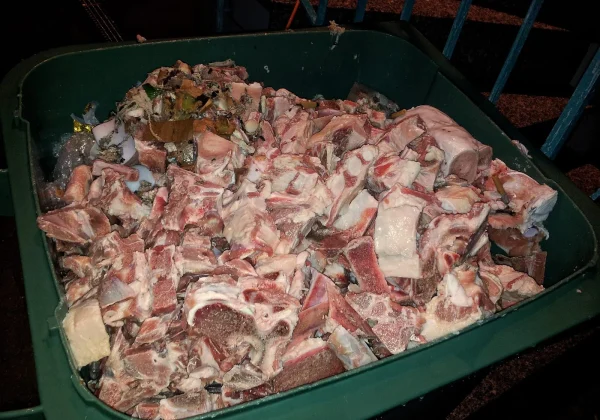
Butchers’ Waste and Processing by-Products
For farms that also operate retail or processing facilities, butchers waste collection may be required. This ensures that meat by-products are handled safely and do not pose a risk to human health or the environment. Key considerations include:
- Separation of meat by-products from other waste streams to avoid cross-contamination.
- Secure storage and transport in approved containers designed for ABP materials.
- Compliance with hygiene, temperature control, and transport regulations to safeguard public health.
A coordinated waste management approach helps these farm operations stay compliant while maintaining product quality and safety standards.
Building a Comprehensive Waste Management Strategy
A comprehensive waste management strategy brings all of these services together, creating a streamlined system that reduces complexity and improves efficiency. Essential elements include:
- A single, trusted service provider capable of farm and fallen stock collection, ABP processing, and food waste management.
- Clear service Level Agreements (SLAs) that specify response times, processing methods, and waste handling protocols.
- Robust documentation and traceability to satisfy regulatory reporting and auditing requirements.
- Training programs for farm staff on proper waste segregation, storage, and handling.
- Regular reviews to adapt to changes in legislation, farming practices, or market demands.
By consolidating services with one provider, farms simplify compliance, reduce administrative overhead, and focus more on their core operations.
Compliance, Sustainability, and Future Readiness
Good waste management is not just about meeting legal requirements; it is about running a sustainable and efficient farm prepared for the future. Proactive waste strategies help mitigate environmental impact, support animal welfare, and enhance community trust. Embracing best practices, such as prioritising preventative measures, investing in efficient collection schedules, and choosing environmentally responsible disposal or processing options, positions farms to thrive in a changing regulatory landscape.
Practical Tips for Implementing Your Solution
- Assess your current waste streams: Identify fallen stock, ABP categories, food waste, and any by-products generated on the farm.
- Map regulatory requirements: Understand category-specific ABP rules, disposal options, and reporting obligations in your region.
- Choose a single provider with comprehensive capabilities: A partner offering farm and fallen stock collection, ABP processing, and food waste services can simplify management.
- Develop clear internal procedures: Establish waste segregation, storage, and transport practices to ensure safe handling and easy compliance.
- Monitor and review: Schedule regular audits of your waste management system, and adjust processes as needed for efficiency and sustainability.
Effective farm waste management is a cornerstone of a safe, productive, and compliant farming operation. By prioritising fallen stock collection, understanding ABP categories, and integrating food waste and by-product management into a single, cohesive service, farms can reduce risk, streamline operations, and support long-term sustainability. The Complete Guide to Farm Waste Management Solutions offers a practical framework to help you design and implement a robust waste strategy that works for your unique farm needs. Embrace a proactive approach today, and your operation will be prepared for the challenges and opportunities of tomorrow.