
Animal by-products (ABP) and food waste are topics that may feel complex, but understanding what happens after collection helps farms, butchers, retailers, and other food businesses appreciate the importance of professional ABP and food waste collection services. This guide explains how the regulated processing system works, the role of risk categorisation, and how an integrated approach supports safety, compliance, and sustainability.
Why ABP Processing Matters
When animal by-products are collected from farms, butchers, or food businesses, they enter a highly regulated processing system designed to protect public health and the environment. The journey from collection to final use or disposal is tightly controlled, with clear categories and approved methods. By knowing what happens after collection, businesses can plan more efficiently, choose reputable waste management partners, and demonstrate compliance with regulatory requirements. The keyword What Happens to Animal By-Products After Collection? captures the core question many stakeholders have as they navigate this essential service.
The Path – From Collection to Licensed Processing Facilities
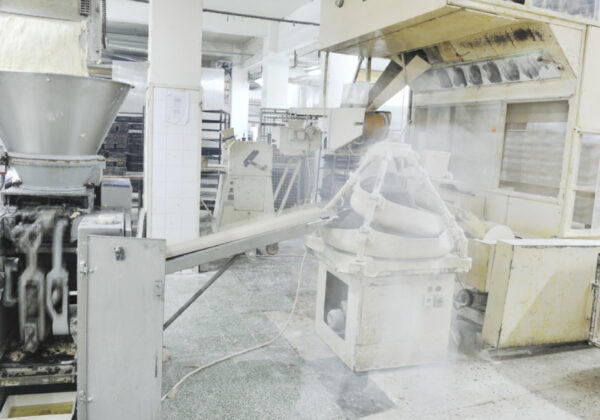
After collection, ABP materials are transported to licensed facilities where they are sorted according to risk category. This initial sorting is crucial because it determines the subsequent processing route. The regulated system creates a chain of custody that safeguards public health and supports environmental responsibility.
- High-risk waste: Materials classified as high-risk are directed into category 1 animal by-product collection processing. These items pose the greatest potential threat to public health and must be disposed of through controlled incineration or other approved methods. The emphasis here is on eliminating any residual hazard and preventing reuse that could compromise safety.
- Medium-risk waste: Category 2 processing handles materials with moderate risk. Through this channel, ABP can be transformed into useful products such as fertilisers or redirected to energy recovery processes like anaerobic digestion. This approach ensures waste is converted into value while maintaining safety standards.
- Lower-risk waste: Category 3 processing takes care of materials with the lowest risk, often enabling recycling into commodities such as pet food, animal feed, or other commercial uses. This category exemplifies how responsible waste management supports a circular economy.
Understanding these categories helps businesses communicate with their waste management partners and ensures that each stream receives the appropriate treatment.
Real-World Flows – Farms, Fallen Stock, and the Food Chain
For farms, the process often begins with farm and fallen stock collection. Fallen stock refers to dead animals found on farms, and timely removal is essential to prevent odor, disease risk, and environmental exposure. Once collected, fallen stock follows the same category-based processing paths, entering the correct stream for disposal or repurposing. This early step is critical for maintaining biosecurity on-site and ensuring compliance with animal health and welfare regulations.
For food businesses and retailers, butchers waste collection plays a similar role in managing waste efficiently and compliantly. Regular collection of ABP and packaging waste helps prevent cross-contamination and supports traceability. By aligning collection schedules with processing capacity and category requirements, businesses can minimise disruption and avoid regulatory penalties.
Integrating Services – The Benefits of a Unified Approach
By combining services such as food waste and ABP collection with category-specific processing routes, businesses can ensure that all waste is handled in line with regulations. This integrated approach simplifies compliance, reduces administrative burden, and maximises sustainability. Key benefits include:
- Improved regulatory compliance: Clear categorisation and certified facilities help ensure adherence to national and regional regulations.
- Enhanced traceability: A single service provider can document the waste stream from collection to final disposal or repurposing.
- Reduced environmental impact: Redirecting suitable ABP to energy recovery or recycling supports a circular economy.
- Operational efficiency: Consistent collection cycles and predictable processing pathways minimise disruption to daily operations.
Why Category-Specific Processing Matters
The decision to separate ABP into category 1 animal by product collection processing, category 2 animal by product collection processing, and category 3 animal by product collection processing streams is a core feature of risk management. Each category has distinct handling, treatment methods, and end-use possibilities:
- Category 1 (high risk): Focused on safe disposal to eliminate health threats. Incineration or other approved methods ensure maximum safety.
- Category 2 (medium risk): Enables value recovery through products like fertilisers or energy generation, balancing safety with resource recovery.
- Category 3 (low risk): Prioritises recycling into consumer or agricultural products, supporting a circular economy.
Understanding these pathways helps businesses communicate expectations to suppliers, track the fate of different waste streams, and optimise the value derived from ABP where appropriate.
Ultimately, the journey of animal by-products does not end at collection. It is part of a wider system designed to protect public health, reduce environmental impact, and make the best possible use of resources. By recognising the importance of licensed facilities, risk-based processing categories, and the synergy between ABP collection and processing, food businesses can operate more responsibly and sustainably.
If you’re evaluating your waste management partners, ask about:
- How they classify ABP into category 1, 2, and 3 streams
- The licensing status and capabilities of their processing facilities
- Their end-use pathways (incineration, fertilisers, anaerobic digestion, pet food, etc.)
- Their traceability and reporting practices
A clear understanding of What Happens to Animal By-Products After Collection? helps you align operations with safety standards, drive sustainability, and demonstrate responsible stewardship across the entire value chain. By choosing integrated, compliant solutions, you not only meet regulatory requirements but also contribute to a more circular, resource-efficient economy.