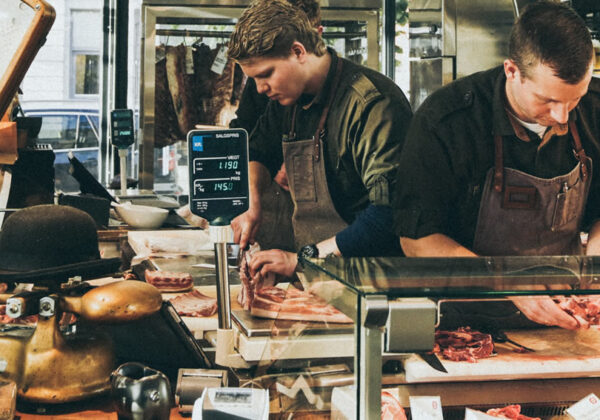

Butchers waste storage in summer is a genuine pressure point for the region’s butchers, farm shops and on-site cutting rooms, because the warm months turn a manageable by-product stream into a fast-souring hygiene risk if it is not handled properly. Bone, fat, trim and offal are animal by-products that must be stored and disposed of lawfully whatever the season, but heat sharply shortens the time you have before storage becomes a problem. A licensed provider of fallen stock and ABP collection is the route that keeps a butcher compliant, and Martlands collects butchers waste across the North West from our base in Burscough.
Why Summer Changes the Equation
The by-products of butchery are highly perishable, and in summer they deteriorate within hours rather than days. What might sit acceptably in a back-of-shop bin overnight in winter can become a source of odour, flies and bacterial growth by the afternoon in a heatwave. For a food business whose reputation depends on cleanliness, that is unacceptable, and it is also a compliance failure waiting to be found by an inspector. Summer therefore demands tighter storage discipline and more frequent collection than the quieter, cooler months.
What Butchers Waste Is and How It Is Classified
Butchers waste is animal by-product, mostly Category 3 material from animals fit for human consumption at slaughter, though specified risk material and certain other items fall into higher categories. Correct classification matters because it determines how the waste must be handled, and our overview of the guide to ABP categories explains the distinctions that every butcher should understand. As a collector licensed for all three categories, Martlands can handle the full range a butchery operation produces.
Chilled and Sealed Storage
The cornerstone of summer butchers waste management is keeping the material cool, sealed and off the floor. Lidded, leak-proof containers prevent spillage and odour and keep flies out, and storing them in a chilled area or dedicated cool store dramatically slows decomposition. We provide leak-proof containers suitable for butchers waste, and the discipline of sealing waste immediately rather than letting it accumulate in the open is what keeps a cutting room clean through a hot week.
Frequency Is Everything in Hot Weather
Even with good storage, summer butchers waste needs collecting more often. The single most effective control is simply not letting material sit, which means stepping collection frequency up for the warm months so that by-products leave the premises before they can become a problem. We build collection schedules around a butcher’s actual throughput and can increase frequency for summer, keeping storage volumes low when the heat is on. Our wider note on butchers waste collection best practices covers the hygiene and compliance fundamentals.
Coverage Across the Region’s Butchers
We serve butchers, farm shops and cutting rooms across the North West, with dedicated provision for Lancashire butchers waste collection and across the wider region. Working from Burscough along the motorway network, we keep collection reliable even at the height of summer when demand is highest, which is exactly when a butcher cannot afford a missed collection.
Documentation for Every Collection
Each collection is accompanied by a Commercial Document recording the lawful movement of the by-products to an approved facility. This is the evidence an environmental health officer will look for, and our note on environmental health inspections sets out exactly what they check. Keeping those documents in order protects your hygiene rating and your standing with the local authority.
Tighten Up Before the Heat
The butchers who sail through summer are the ones who review their storage and collection before the warm weather arrives, upgrading containers, organising a chilled storage point and agreeing a higher summer collection frequency in advance. A little preparation keeps the shop clean, compliant and pleasant for customers through the hottest weeks.
Why Warm Months Shrink Your Margin for Error
Butchery generates a steady stream of bones, trim, fat and other by-products that must be kept chilled and collected before they become a hygiene problem. In winter a cool back room buys a shop some time, but summer removes that margin. Warmth accelerates bacterial activity and odour, draws flies to any container that is not properly sealed, and turns a day’s delay into a real problem. The same volume of waste that sat safely over a cool weekend can become a complaint and a compliance risk in a heatwave.
Getting Chilled Storage and Collection in Step
The answer is to keep by-products genuinely chilled until collection and to collect more often through the warm months rather than relying on the winter schedule. Dedicated, sealed, refrigerated storage kept apart from food preparation areas, containers that close properly, and a collection frequency matched to summer output all keep a shop clean and compliant. It is also worth checking refrigeration is in good order before the hottest weeks, because a chiller failure over a warm weekend is precisely what turns stored by-products into an incident.
Keeping Evidence Ready for Inspection
Environmental health officers pay close attention to butchery premises, and the evidence they look for includes proof that by-products left the shop by a licensed route. Keeping that documentation tidy, alongside clean storage and a sensible collection schedule, means an inspection in the middle of a busy summer holds no surprises.
If you run a butchery, farm shop or cutting room anywhere across the North West and need dependable summer butchers waste collection, call Martlands on 01704 776977 and we will keep your by-products moving and your premises compliant.